It just wouldn’t be Australian Resort 27 without experiencing all four seasons across the week; a not-so-subtle reminder of just how the weather influences the southern hemisphere’s high-summer collections, fabrics, and overall aesthetic.
The week at a glance
The 30th anniversary of the Australian Fashion Council’s Australian Fashion Week returned to the iconic backdrop of Sydney Harbor at the Museum of Contemporary Art, after spending the last decade at Carriageworks. The move was intended to increase the week’s global pull for press and buyers, and ‘to better help brands establish themselves not just in the Australian market, but also globally’. As AFW fashion director Kellie Hush told Vogue Business, “There’s nothing more iconic than seeing a model with the Opera House or the Sydney Harbour Bridge in the background.”
On day one alone, morning light powered the kaleidoscope of colour for Create NSW First Nations’ designers Buluuy Mirrii and Van Ermel Scherer, pouring rain enhanced the high glamour at Carla Zampatti, while the signature ease of Beare Park hit the runway at the Opera House backlit by a setting sun. From the immediate onset of flip-flops, reds and soft pink, mints and aqua, as well as capris and plenty of sheer garments, The Iconic and David Jones were right on par with their trend predictions.
Further afield and spliced between the Australian shows, there happened to be two of fashion’s most influential players: Dior and Gucci, in the midst of redefining the essence of a resort collection.
Traditionally meant as holiday capsule wardrobes for high-end clients to pack for sun-soaked destinations, both brands opted to stage their presentations in the U.S. Dior took over the LA County Museum of Art, reinterpreting Old Hollywood glamour through the house’s classic codes in drop-waist silhouettes, reinvented Bar coats, distressed denim, and relaxed tailoring. Over in New York, Demna shut down Times Square with his GucciCore runway, opening the show with six precision-cut slim suits. Demna describes his Gucci as pragmatic, which the tailoring was emblematic of - but a resort collection, this wasn’t.
Runway highlights
So, while luxury resort is betting on heavy-hitting core products and celebrity to recapture its consumers, Australian Resort 27 proved just how seasonal clothing - especially when structuring a hot weather wardrobe - actually matters.
Transseasonality and layering play naturally into Australia’s unpredictable mix of humidity, rain, and searing heat. Brands responded with modular collections that balanced utilitarian sensibility with a sense of occasion, all designed to capture and extend the summer state of mind.
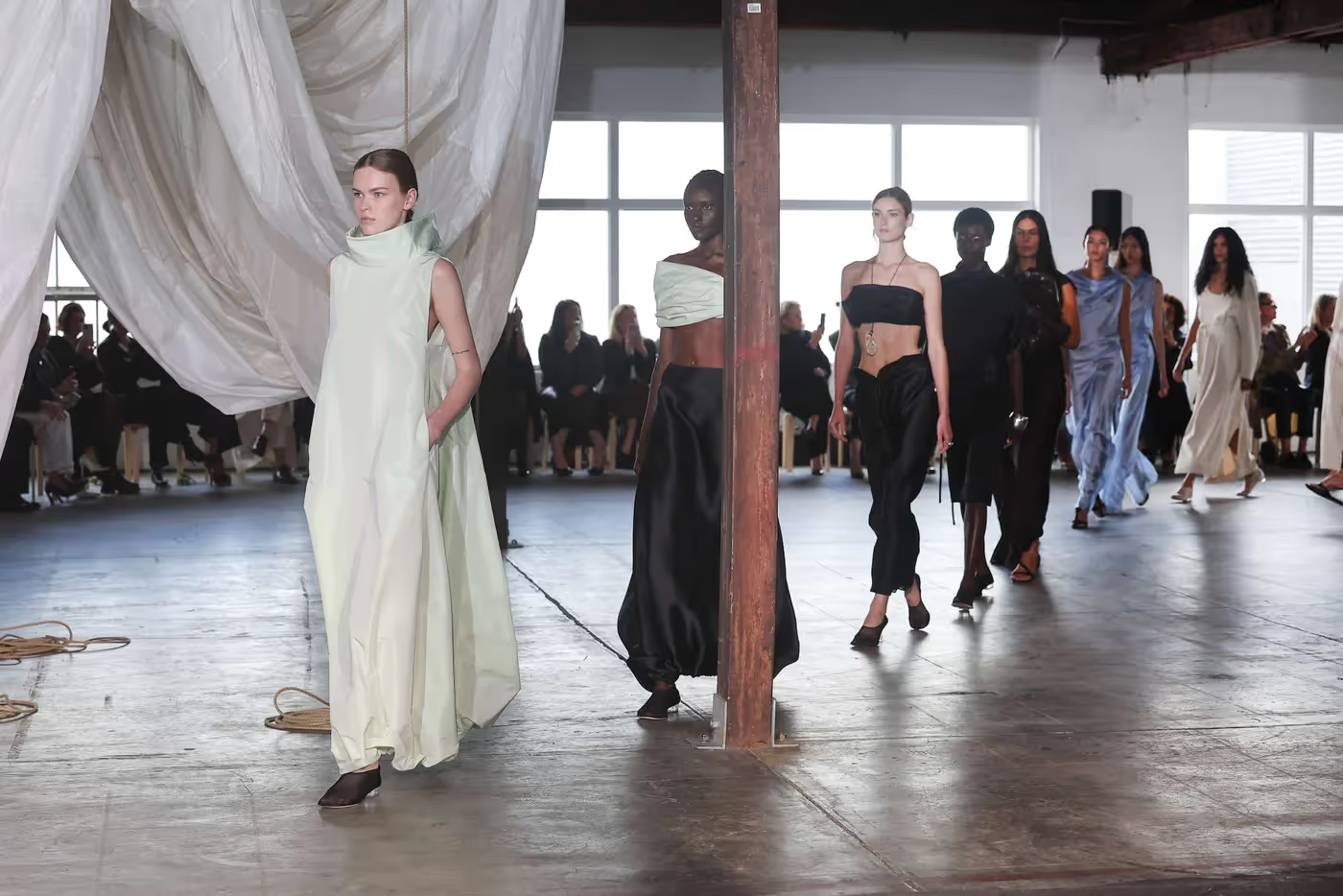
Labels including Bianca Spender, Albus Lumen, Karla Špetić, Esse, and Lee Mathews mixed high craft with conscious clothing. Thoughtfully engineered, textural pieces designed to adapt to consumers' increasing need for versatility and lightweight fabrics that can travel, as well as slot in the bracket of high cost-per-wear value.
Elsewhere on the AFW runways and following on from the international spring summer trends, glamour and soft theatrics in high-shine, fringing, and feathers (5% forecasted growth) were at the fore from Carla Zampatti, L’idée Woman, to Maticevski and Mariam Seddiq. Intricate lace, balloon silhouettes, and summer leather were consistent at Aje and Bianca Spender, while a minimal 90s-inspired mood felt elevated at Courtney Zheng and Albus Lumen.
Intricate lace, balloon silhouettes, and summer leather were consistent at Aje, Karla Špetić, and Bianca Spender, while a minimal 90s-inspired mood felt elevated at Esse, Courtney Zheng, Nagnata, and Albus Lumen.
Placement prints and large-scale florals, classic to the Australian beachside wardrobe, retained their footing across the collections from Gary Bigeni to Ngali, while yellow-green chartreuse and soft pinks and corals were a welcome jolt of colour amidst plenty of black and white, and monochromatic outfitting.
Resort 27 Trends
Bi-coastal utility
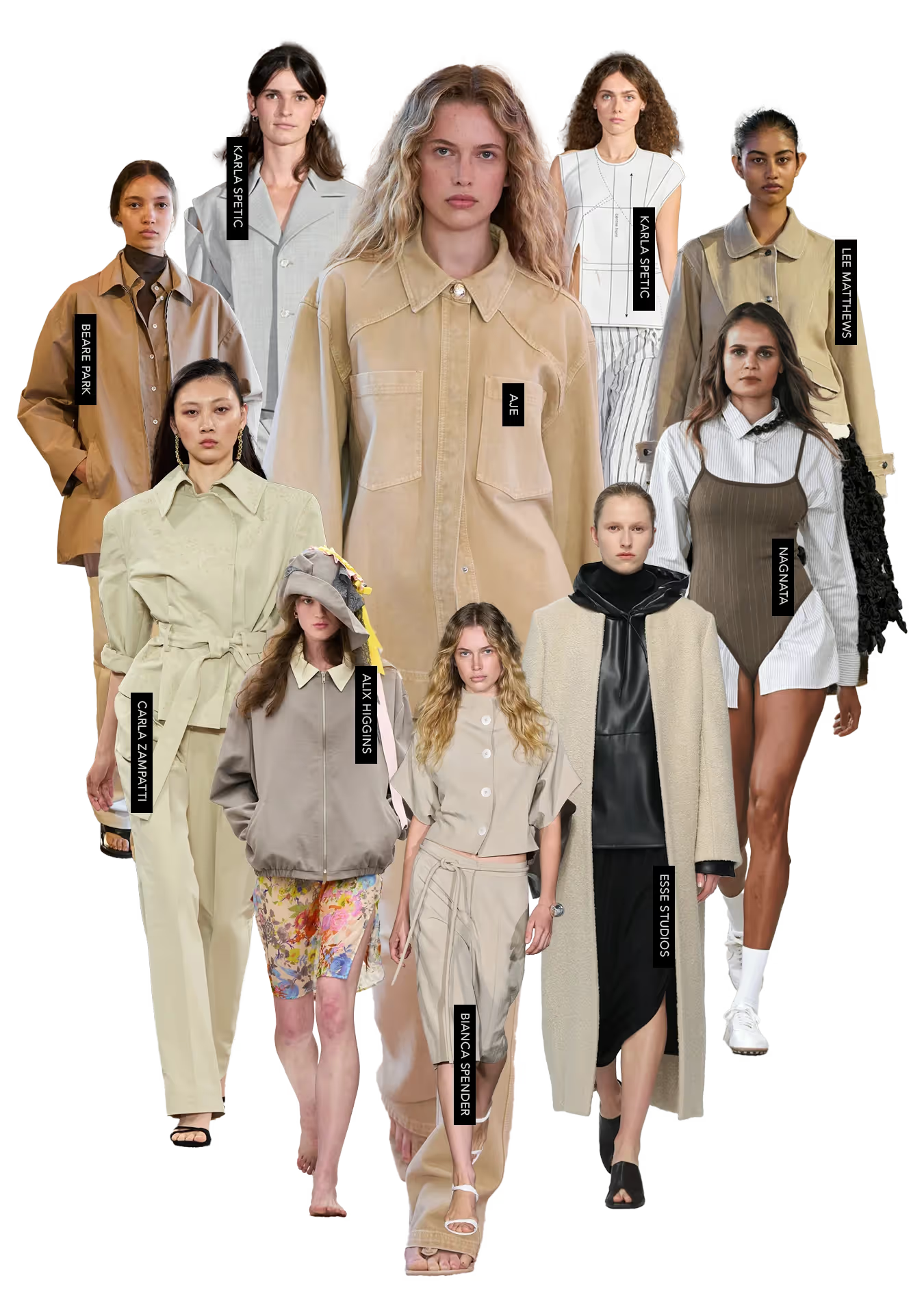
The growing requirement of clothing to adjust to healthier lifestyles and sportier habits means that everyday functionality is not just a nice-to-have, but now an expectation from shoppers. It’s why Heuritech has forecasted a +12% rise in windbreakers, and predicts raincoat-adjacent fabrics to become more popular - a trend already seen during the men’s winter collections. This creates a utility-forward wardrobe especially for officewear, while offering the high-fashion element to ensure consumers satisfy their craving for personality-first dressing. See: the spliced and tied tailoring Karla Spetic, nylon skirt suits at Albus Lumen, the cotton-nylon funnel-neck jackets at Bianca Spender, and Lee Mathews’ translucent layering, persistent pockets, and frayed edges.
Ethereal sheers
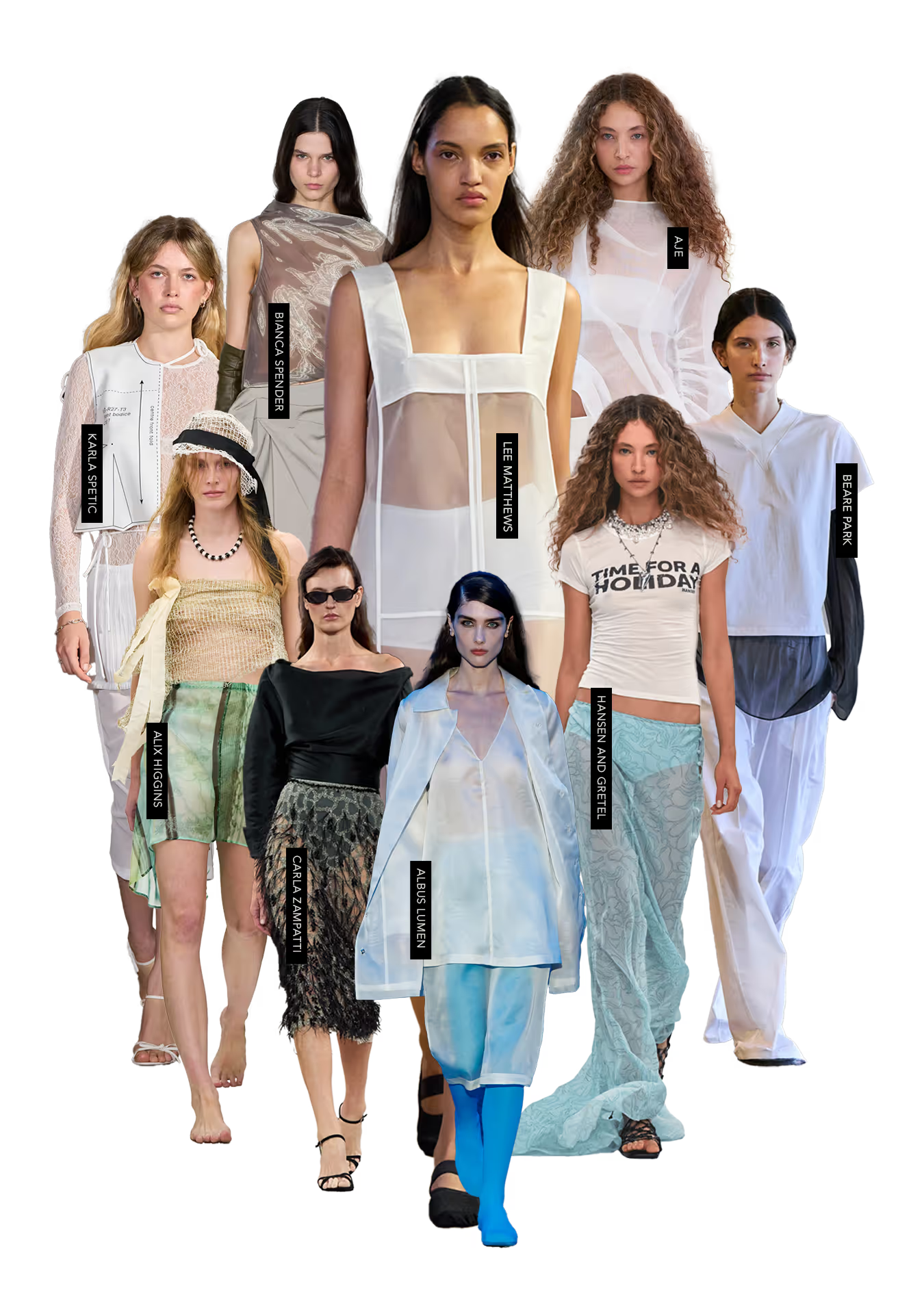
Ahead of the week, The Iconic was on the lookout for sheer fabrics with interesting textures and details like beading, and the brands delivered. Silk and silk organza are positioned to continue to lead the shift toward natural, high-quality fibers, with labels opting for the fabric to layer and expose in equal measure. Courtney Zheng’s provocative sheers added an element of danger and after-dark debauchery to micro polka-dots, alongside barely-there slip dresses beneath blazers.
High shine
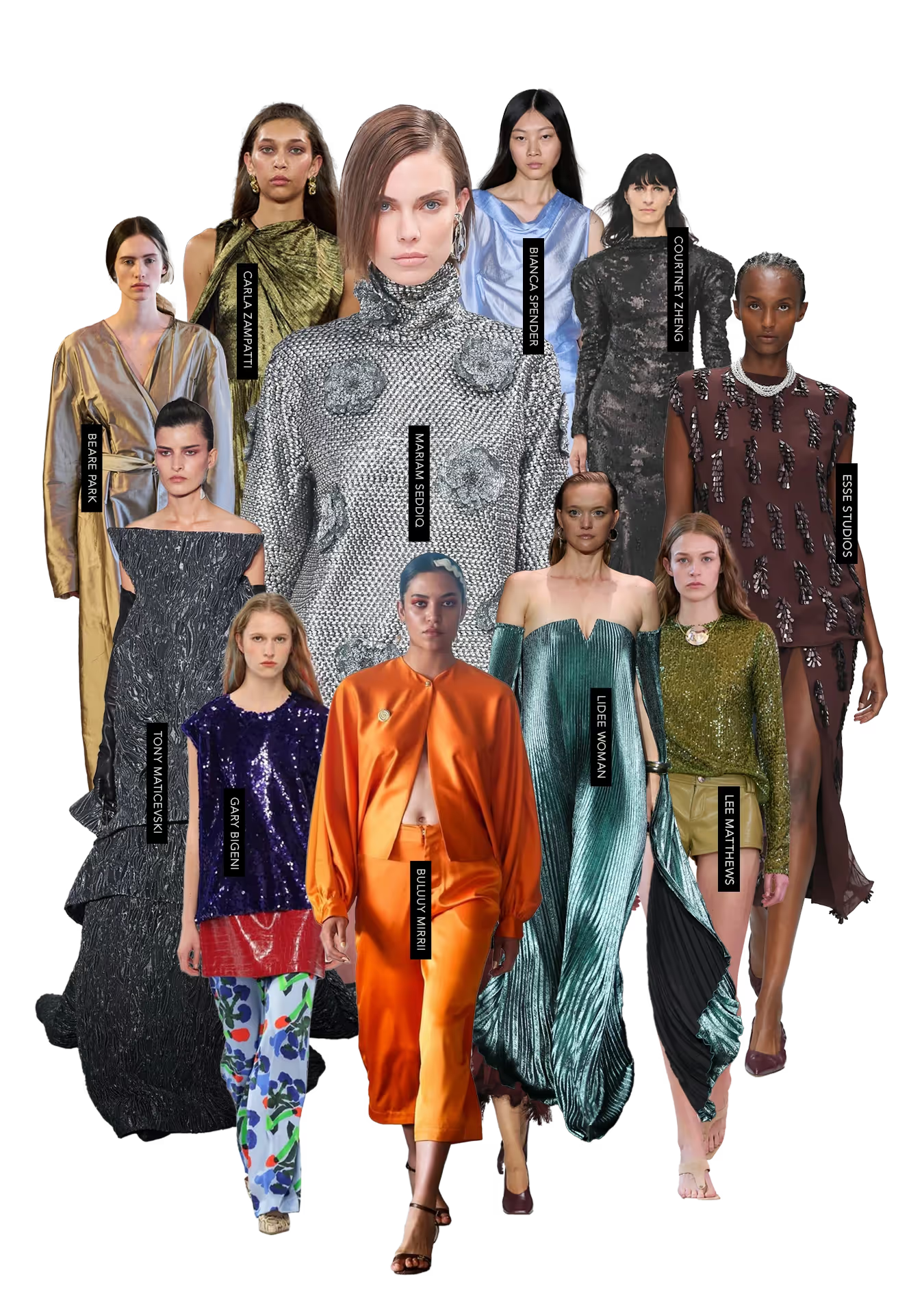
The week saw the revival of classic glamour and adventurous partywear, as the country continues its shift from quiet luxury to modern maximalism. Carla Zampatti's classic liquid sequin sought a youthful consumer while satisfying their core customer with considered cut-outs and shorter hemlines. Bianca Spender showed liquid georgette dresses in iridescent green and ice blue, while L’idée Woman opened its show with model Taylor Hill in a pleated, shimmering golden gown.
Surfer perfect
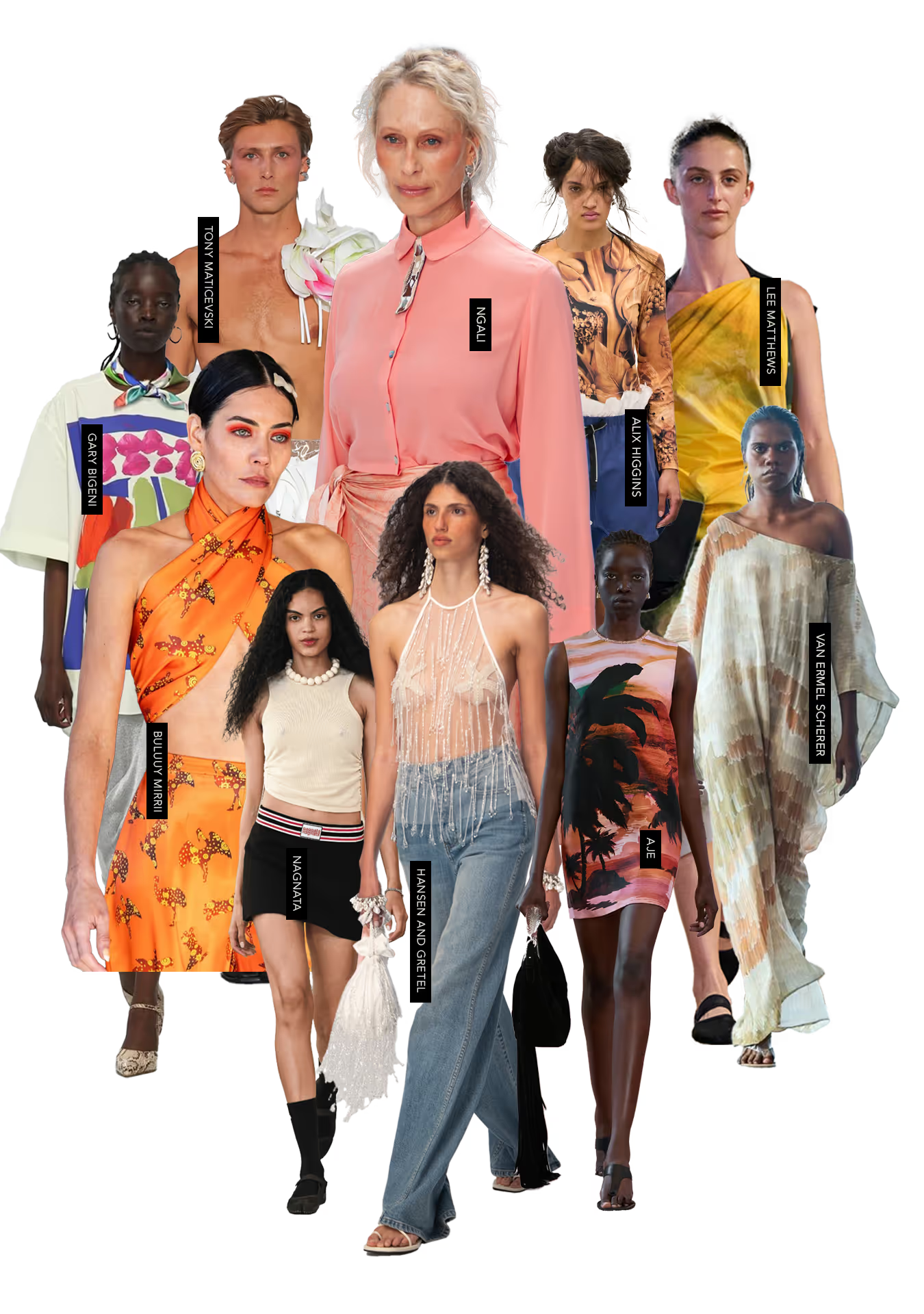
The myth that is the Australian surfer girl was interpreted to sartorial heights from several brands, including Hansen and Gretel, and Alix Higgins. Aje’s ‘Siren’ show drew from surf culture in sunset prints, crochet sets, and raffia hems with the rural insignia of western shirts and denim. Commas took to a very real, windy beach landscape to exemplify the nuance of surf-inflected tailoring, while Ngali was among the brands to feature wrap silhouettes and sarong-style scarf ties in every which way. Beare Park kept fuss to a minimum with models sauntering down the runway in flip flops.
Berry reds
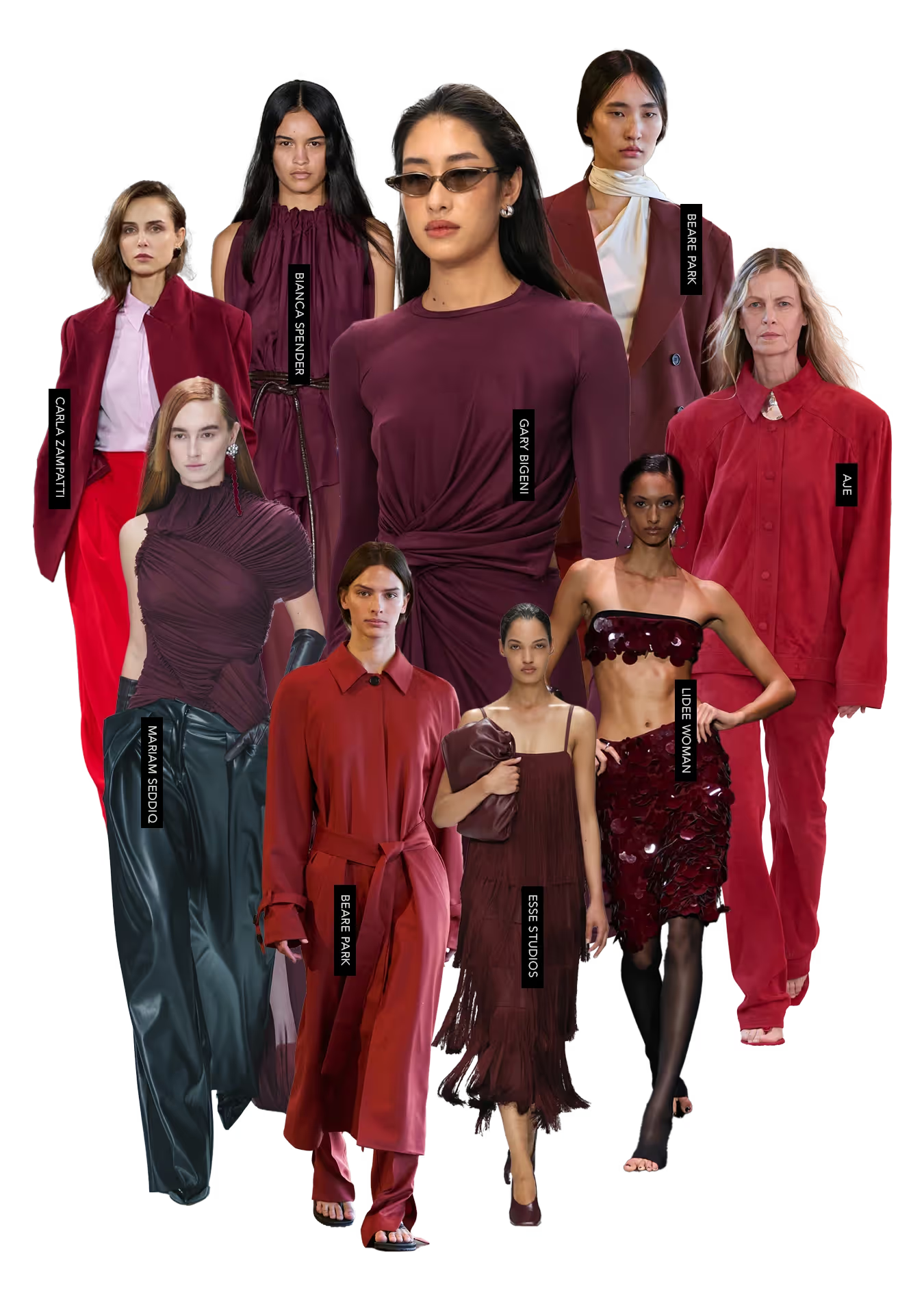
Australian consumers do not shy away from their maximalist tendencies when it comes to colour, and the resort runways did not disappoint. Amid the strong momentum in minty and aqua tones, there was a heavy emphasis on berry-hued reds, from cherry to raspberry and deep wine and purple shades. David Jones had forecast the winter burgundy trend moves into more summer hues of reds and corals, with touches of pale pink and ballet pink.
For more trends to come this year, download the Fall Winter 2026 Trend Report.
Trend image credit: Vogue Runway