Just browsing? Not anymore. For every customer action before the cart or cash register, there’s a world of purchase intent data fashion retailers should be privy to, to inform everything from sizing to assortment planning.
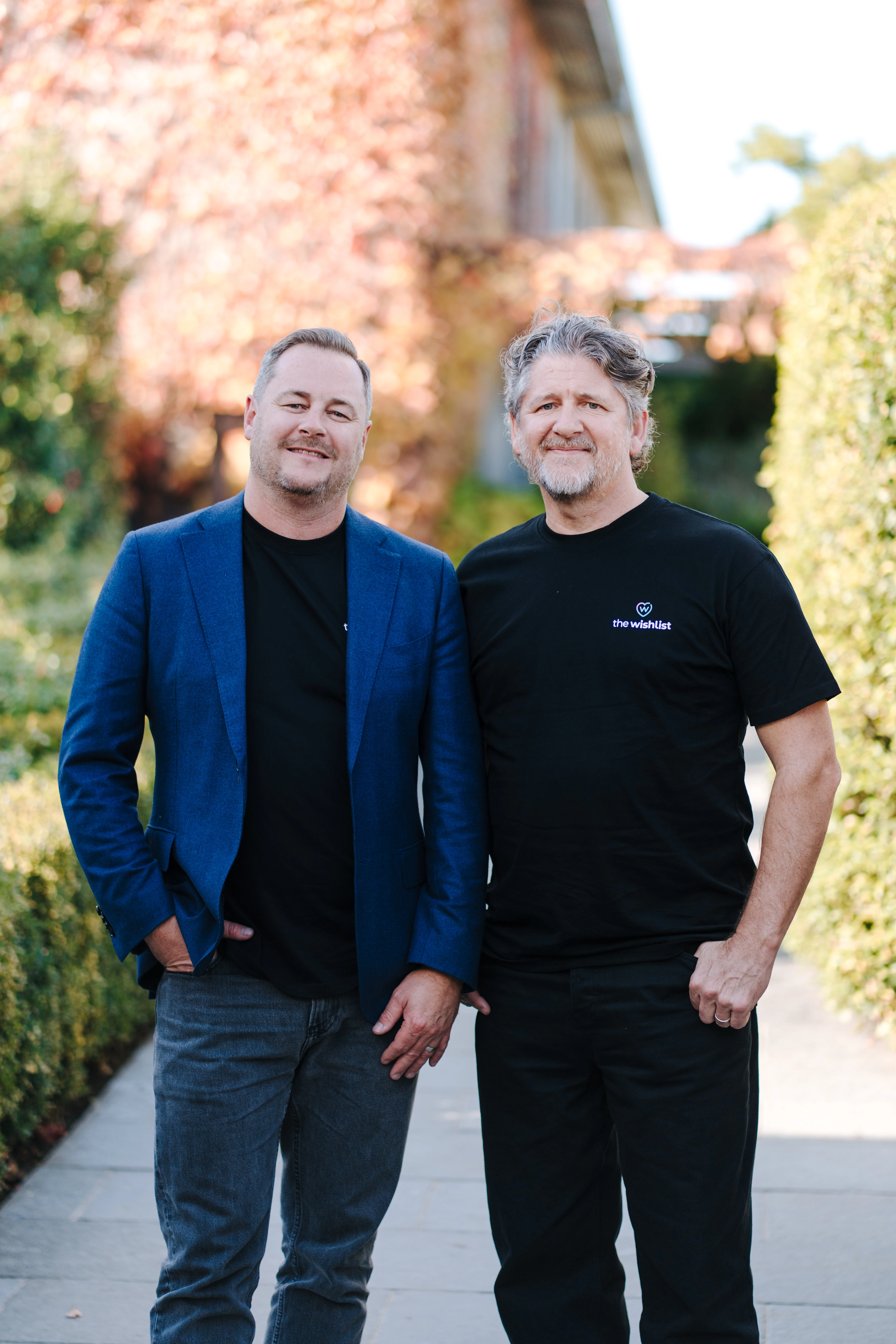
We caught up with Matt Hampshire co-founder and Chief Operating Officer of The Wishlist - a customer engagement solution that helps retailers convert visitors into customers - to deep dive on connected clienteling for omni-channel retailers.
Here, Matt discusses why in-store expectations from customers are higher than ever, the importance of adding the middleman back to the shopping experience, and how to bridge the knowledge gap between browsing behaviour and purchases.
How does The Wishlist work within the in-store experience to benefit fashion retailers?
When a customer browses your website, you’re able to track what the customer viewed and remarket to them. But in-store, if a customer tries on an item and isn’t ready to buy, they’ll typically leave without you having any details about what they were interested in, and you have no opportunity to remarket to them.
The Wishlist provides a simple playbook that helps retailers capture more of the 70-80% of customers who walk out the door without buying. If a customer is not ready to buy, you offer a value exchange: “How about I add this item to a wishlist for you, and you’ll be the first to know if it’s low in stock or on promotion.”
That becomes the starting point for building a long-term customer relationship and understanding customer intent. And we build on that with a suite of tools that enhance customer experience and engagement.
As DTC-hooked customers head back into stores to make purchases, would you say the role of the middleman (the salesperson) is more important than ever?
Absolutely, and it's more demanding than ever. Customers who've been shaped by DTC have high expectations. When they visit the store, they want to have (and the retailer wants them to have) a great experience that accurately reflects the brand’s values. The salesperson is the tip of the spear for the brand, and this raises the bar for frontline staff. They need to move from being product experts to experience-makers and relationship-builders.
How does The Wishlist help bridge the gap between browsing behaviour and actual conversions?
Online behaviour, including wishlisting, browsing, searching, adding to cart, and purchasing, are all, to varying degrees, events that signal customer intent. The Wishlist captures these events, identifies the signals and makes them actionable.
We automate a range of event and insight-based notifications that encourage conversion, and we execute through both the retailer’s preferred marketing platform AND the store sales team. For example, the team is immediately notified if there is a pending alert for their customer or a new outreach opportunity.
And, importantly, because we attribute the salesperson who initiated the sale (via outreach or in-store engagement), regardless of when or where the sale occurred, there’s no “what’s in it for me” resistance from salespeople, which has been one of the traditional issues with clienteling.
What types of fashion business models are best suited to implement The Wishlist technology?
The strongest fit is with omni-channel retailers and involves a considered purchase. Fashion labels, jewellers, homewares, furniture, cosmetics, specialty retailers, and department stores. The higher the product price point and the more emotionally driven the purchase, the more powerful intent data becomes.
That said, any retail brand with a website benefits, because intent data supercharges promotions. It's less about the business model and more about whether you want to leverage insights about what customers really want to drive more sales.
What are the strongest signals that a customer intends to purchase, and which signals do retailers overestimate?
The strongest signals are recency and specificity. A customer who has returned to the same product multiple times in the past week is more purchase-ready than one who saved it three months ago. A wishlist with two or three curated items signals much higher intent than a list of forty. Combining those signals with in-store visit data is really powerful - someone who saved a coat online and has just walked into your store is almost certainly there for a reason.
What retailers consistently overestimate is the value of page views and time-on-site. Broad browsing behaviour is noisy as it captures curiosity as much as intent. The signal gets more meaningful when it narrows to specific products, repeated engagement, and wishlisting.
The strongest signals are recency and specificity. A wishlist with two or three curated items signals much higher intent than a list of forty.
In what ways can brands leverage consumer intent data to improve demand forecasting and inventory planning?
This is where the partnership with a platform like Style Arcade is really exciting. Most merchandising systems forecast largely based on sales and trends, rather than specific intent signals such as what’s wishlisted or waitlisted. If a particular style or size is being wishlisted or requested at three times the rate of its category peers, that's a demand signal your buying team should be acting on, weeks before the sell-through data would tell the same story.
For inventory planning, this allows brands to lean in with confidence. You can size into styles that have proven demand, avoid overcommitting to products that generate impressions but not genuine consideration, and tighten open-to-buy around what customers are actually telling you they want.
What role does consumer intent play in reducing markdowns, overproduction, and excess inventory?
Markdowns are often a symptom of a demand signal that was missed or ignored. Intent data can shorten the feedback loop. When you know in advance which products are generating genuine consideration and which are generating passive attention, you can make better buys, better allocations, and better replenishment decisions.
Longer term, this kind of data can help shift fashion away from a production-first model that drives waste toward something more demand-led. That's better for margins, sustainability, and the customer relationship.
If a particular style or size is being wishlisted or requested at three times the rate of its category peers, that's a demand signal your buying team should be acting on.
How do you see the relationship between technology and in-store fashion retail evolving?
As digital saturation deepens, people will crave tangible brand experiences, but the bar for what "good" looks like in the store is rising. Customers will expect that a brand values their time and can deliver something they couldn't get from a screen.
Meeting that expectation requires technology working quietly in the background so that the salesperson standing in front of the customer can be fully present, contextually informed, and empowered to deliver an experience worth coming into the store for.
Finally, what’s on your wishlist?
I’d say a holiday to Japan, but that’s a bit passé. Europe is always acceptable.
The Wishlist is Style Arcade's latest integration, designed to help retailers align their customer intent signals with demand and assortment planning.

.avif)