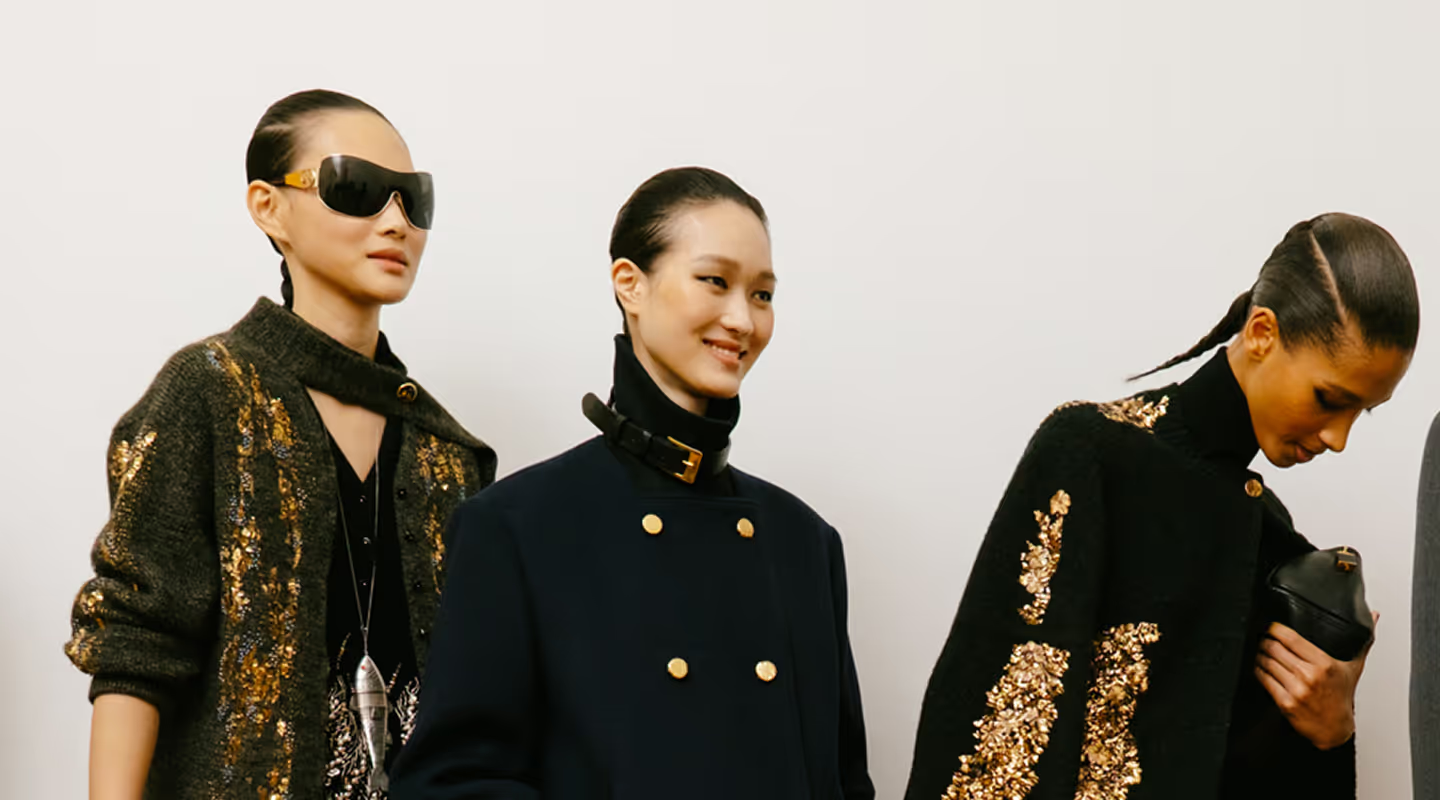
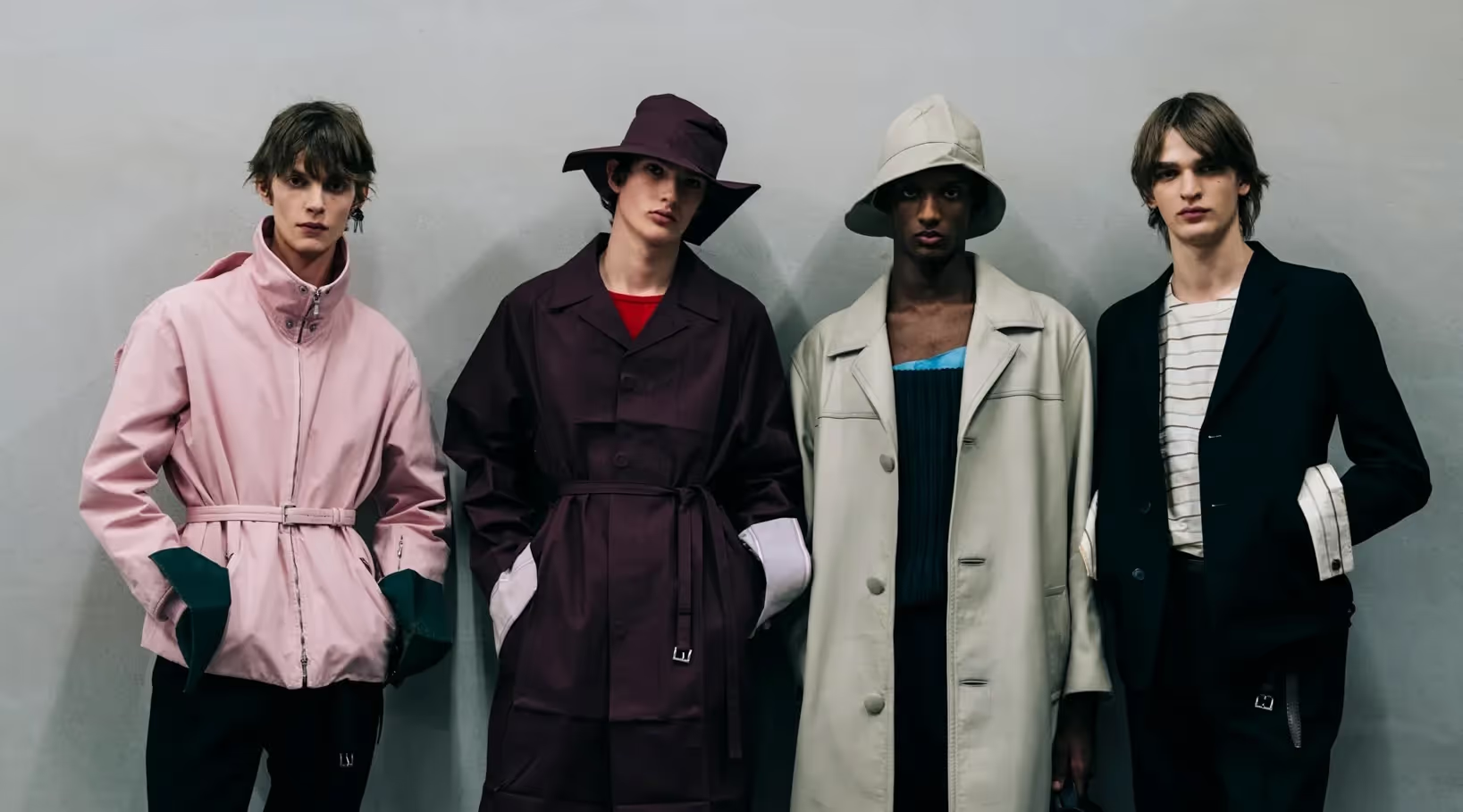
London Fashion Week Fall Winter 2026 held its own with a collective turn to soft romance, and attention to the unexpected textures, flourishes, and finishing touches that make clothes so deeply personal. Discover the leading trends from LFW FW26.
The week at a glance
Usually associated with its punk spirit and from-the-streets invocations, showgoers and buyers noted a critical shift in the way London presented itself on fashion’s major stage. The season looked to evolution rather than untethered ideas for spectacle’s sake, and devoted the signature energy of the city to elite craftsmanship and reasons to wear (and purchase).
“London has always shaped the cultural conversation,” British Fashion Council CEO Laura Weir told the press. And with the amount of emerging designers and Central Saint Martins graduates unafraid to put a new foot forward in fashion, London’s creative fashion hub remains the space that shapes the cultural underground that seems missing from so many of fashion month’s shows.
That said, the week moved into a more sophisticated territory, with designers leaning into technical finesse and considered constructions around narrative. Succinct storytelling is crucial for the clarity of London’s more conceptual collections, and this is where brands like Simone Rocha, Toga, Chet Lo, Bora Aksu, and Emilia Wickstead really succeed. What may have felt against the grain a few seasons ago has slightly softened, with collections pushing toward an intentional sense of wearable, enduring style.
“This season is about momentum and confidence,” Weir explained. This season, the official schedule featured 41 runway shows and 20 presentations, which, according to Vogue Business, means an 11% year-on-year increase in brand presence, while confirmed press attendance was up 36% and buyers up 17%. This time around, more brands opted for more intimate presentation formats, which invite the attendees to get a deeper understanding of not only the garments and their craft, but also the kinds of communities that surround these brands – and how that might translate on a global scale.
On the ground, tailoring felt regal and modern with herringbone checks and romantic suiting asking for space in the perennial wardrobe. For those thinking about upcoming forecasts for your core lines, statement coats and outerwear were top of the list for buyers and merchandisers, while styling notes included mixing textured fabrics and layering chunky knitwear and woven garments. Decorative embellishments, unexpected plaids, intricate florals, and abstract prints were exciting amongst the rich fabrics we’ve been seeing lately: velvet, corduroy, denim, and faux fur (lots of it).
Runway highlights
Collections leaned toward the dark and moody, but necessarily in a sombre way. Take Burberry, for example; the deep navy, oily blacks, and rich reds were in celebration of the British nightlife, cloaked in all kinds of trenches for that dash between dimly-lit venues.
Then there was Pauline Dujancourt, who continues to weave her name into the fabric of London Fashion Week with her hand-knitted creations, forging a new perspective on the age-old craft. Her witchy, sinewy, and expertly executed collection felt right at home amongst the current Victorian-era and gothic trends sweeping through fashion.
Simone Rocha’s fall-winter outing featured her signature gloomy, yet gorgeous, outerwear - and with it came a surprise Adidas collaboration. The collaboration, fusing bows and ruffles with footballer shorts and exaggerated tracksuit shapes, leans into the broader ‘sportif’ trend that’s been building from the SS26 runways; looks that straddle the line between functional activewear and elevated clothing.
Erdem continued the season’s regency-era themes for the independent designer’s 20th anniversary at the Tate Britain, with a delightful retrospective of what Erdem Moralioglu has achieved as a major brand that has remained loyal to the LFW schedule.
Lastly, the absence of runway shows from the likes of Chopova Lowena and Sinead O’Dwyer left Karoline Vitto, Sinead Gorey, and Phoebe English to be the flag-bearers for size inclusivity throughout the week, as the rest of fashion month looks headed for increasingly slim territory.
Here are all the trends from London Fashion Week Fall Winter 2026.
The Trends
Victorian volume
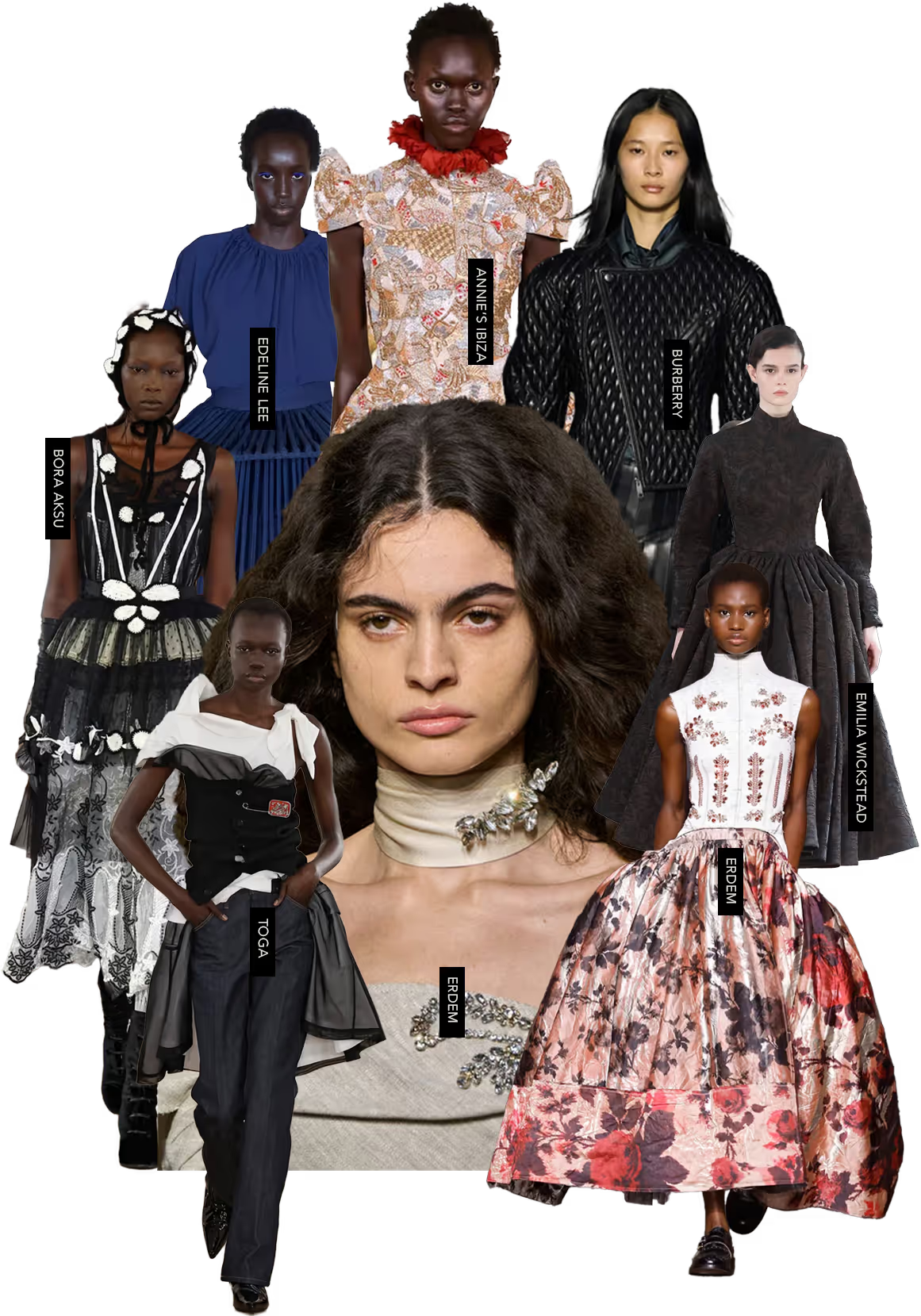
Hot off the heels of the bulbous hips and full skirt trends noted in our SS26 Trend Report, the Marie Antoinette of it all continues to infiltrate the London runways, with hints of Jonathan Anderson’s Dior as the precursor. From the crinoline shapes of Erdem’s anniversary runway to the laced-up tulip-shaped gowns as seen at Simone Rocha, its going to be a Wuthering Heights winter. Elsewhere, Edeline Lee and Toga offered more abstract iterations on the theme, complete with messy layers and off-body boning.
Mode sportif
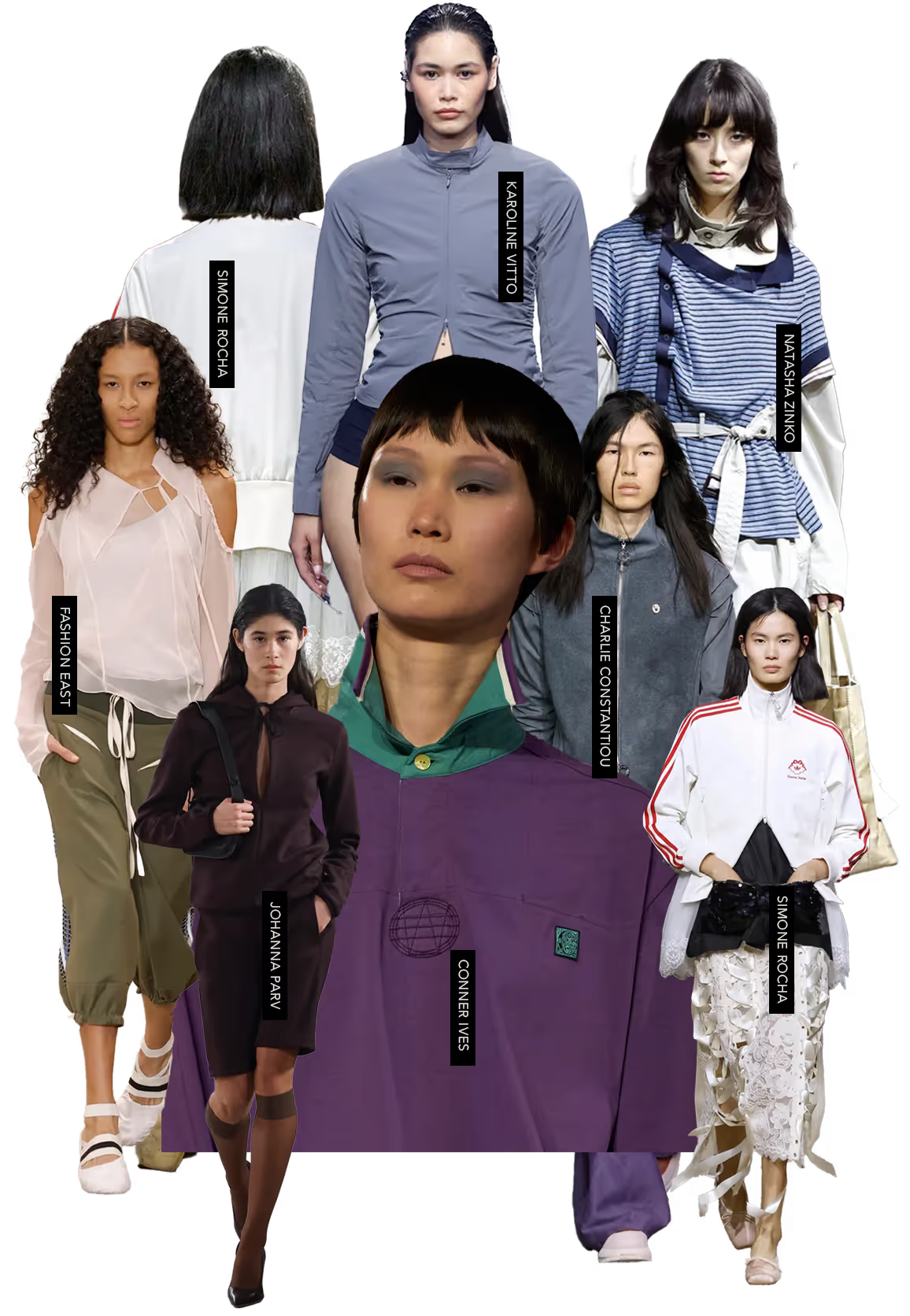
Soccer jerseys and mesh flats, capris and funnel necks; it’s called ‘sportif’ and it’s how the fashion crowd is doing athleisure, with a heavy dose of romance. Characterized by windbreakers and sports jackets, the theme plays into sporty accessories, zips, and hoods, often alongside lace and ballet flats. Take the sneakerina, for example, or the lace-trimmed basketball shorts brought back into the zeitgeist by Anthony Vaccarello’s Saint Laurent. In London, it was all about dabbling in sporty classics with feminine silhouettes, from Simone Rocha to Connor Ives, Joanna Parv, and Natasha Zinko.
Show-off shearling
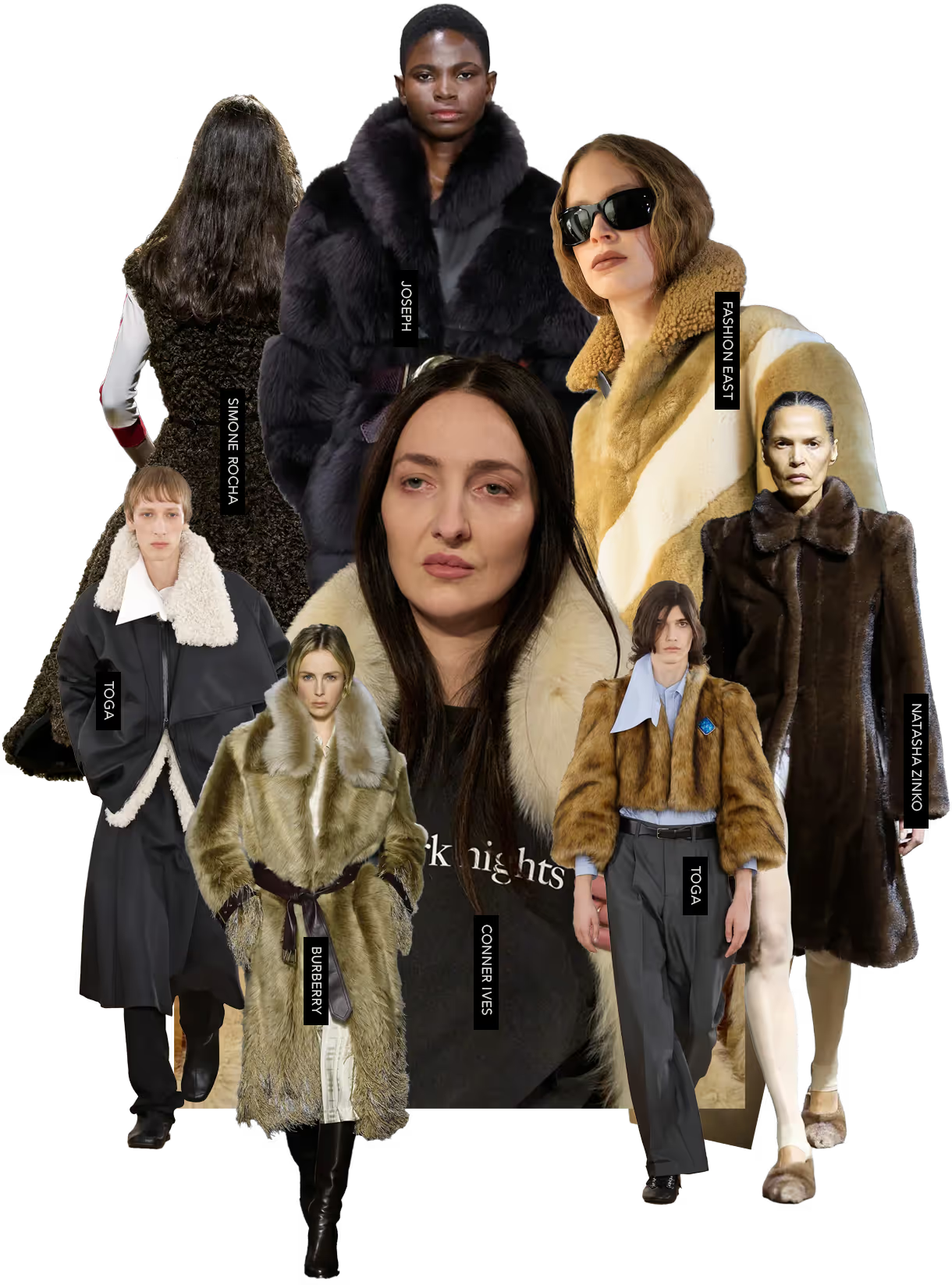
Shearling trims, collars, and faux fur continue their reign as a winter favourite, and according to a Trendalytics 2026 European report, shearling collars are up +35% in searches compared to last year. Burberry presented a range of faux fur and shearling options includin patchwork shaggy shearling trenches, Toga featured faux fur bombers and shearling lapels, while Simone Rocha mixed traditional shearling-lined aviator jackets and coats with dark shearling gowns, collars, and gloves.
Navy as neutral
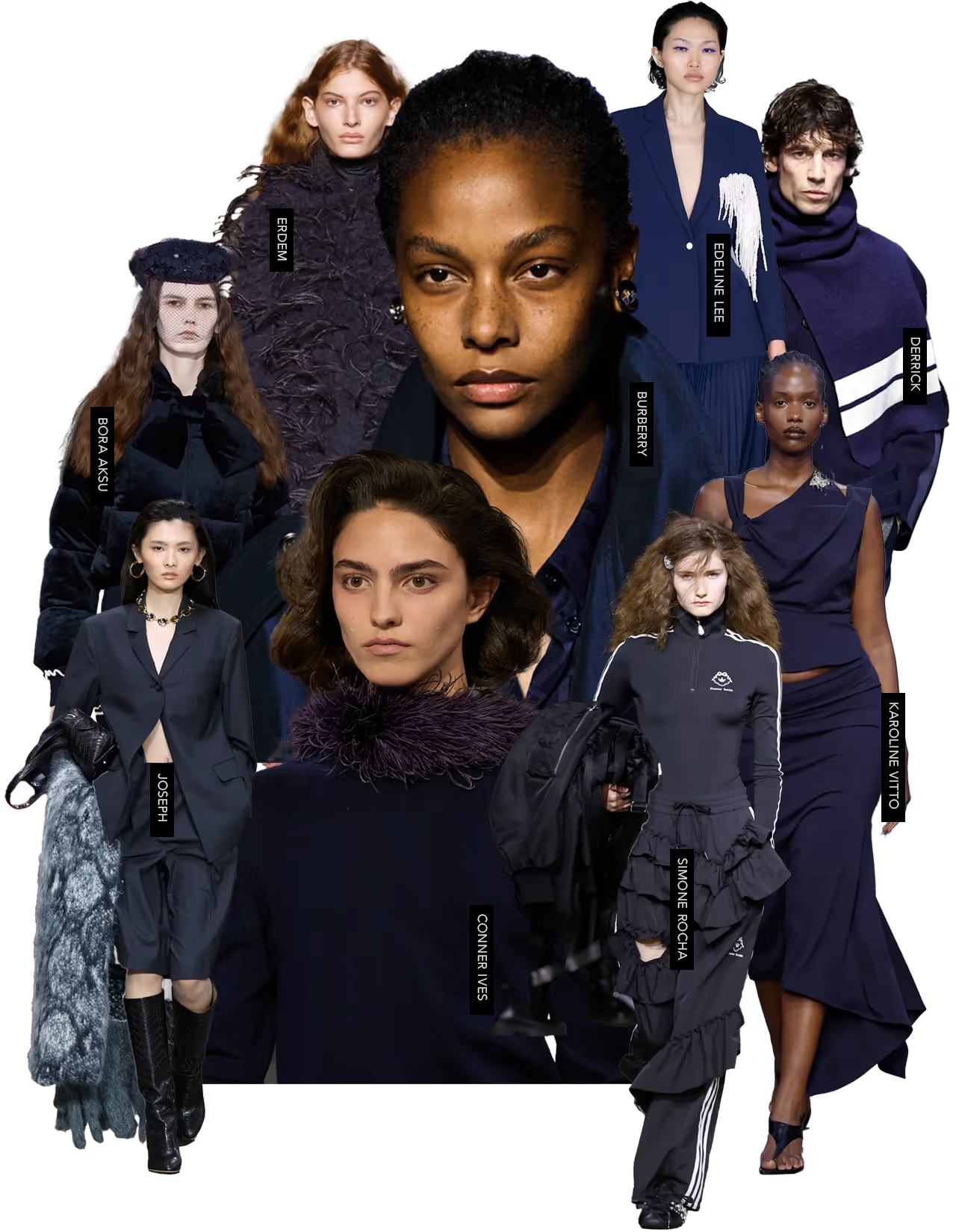
With shades of blue on the rise in popularity for next season’s fashion collections (cobalt has a forecast of +6% over the next two years according to Heuritech, while ultramarine and pastel blue show continuing strength), navy emerged in London as what Who What Wear is already calling the luxe neutral. Yes, navy is stepping up as a classical yet renewed alternative to black, with the sartorial strength to carry the season’s pop colours (mustard, red, olive) alongside it.
Forecasting for the season ahead? Demand planning for a product with no sales history can be incredibly complex, and getting it wrong can lead to stockouts, overstocks, or lost margin. Here's 5 best practices for fashion forecasting.
Image credits: Vogue Runway, Tagwalk, WWD