Milan Fashion Week pushed through a season of debuts among unstable global energy and falling luxury stocks to create personality and provocation in the most unexpected of ways. Here are the defining trends from Milan Fashion Week Fall Winter 2026.
The week at a glance
The Italian shows packed away the pared-back cards they’ve been playing for several seasons, instead going for bold narratives, divisive visions, and calculated quirk in precision craftsmanship. On the debut schedule, Maria Grazia Chiuri fronted up for Fendi, Demna hit the runway for Gucci, Meryll Rogge brought her years of texture-clashing refinement at Dries van Noten to Marni, and Silvana Armani led Giorgio Armani into its new era.
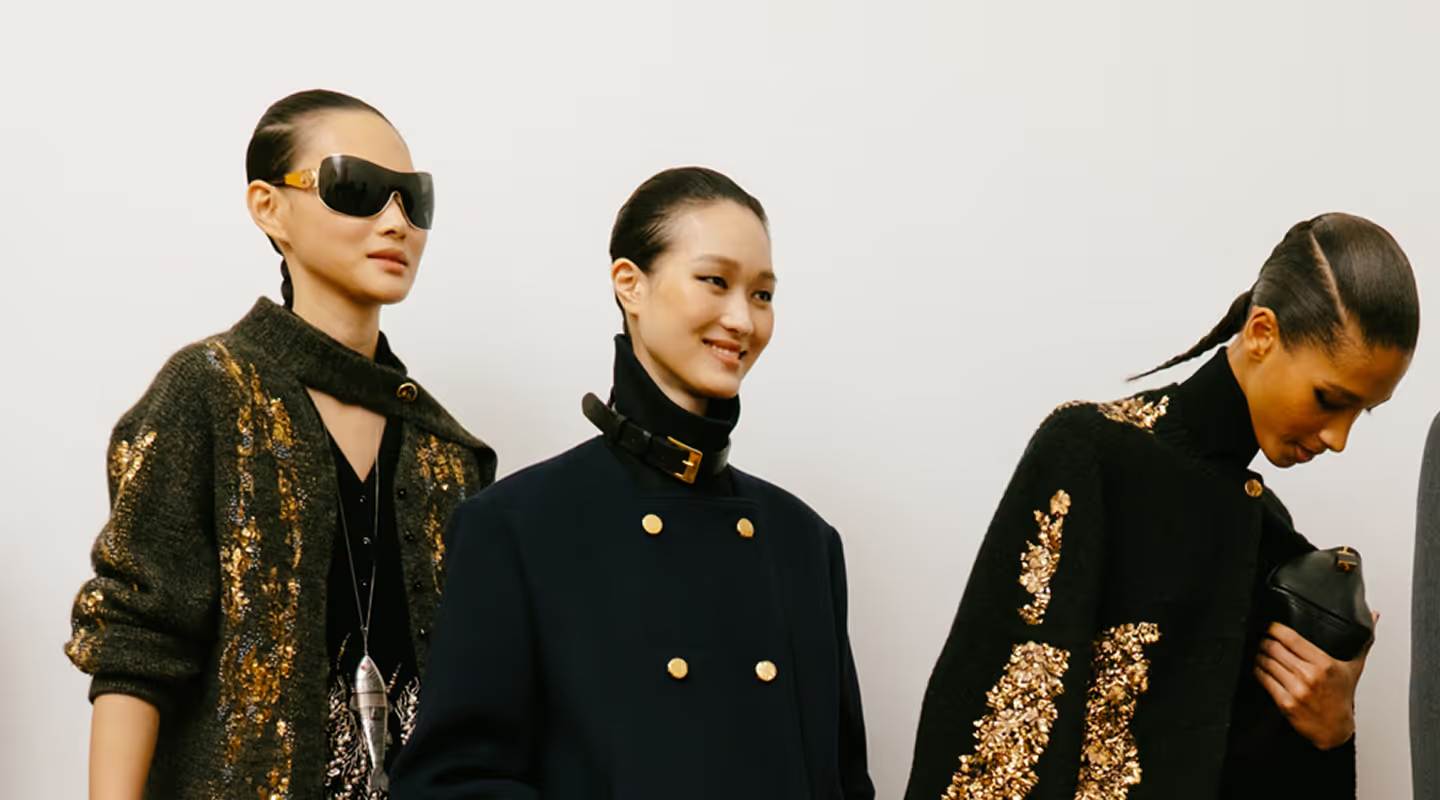
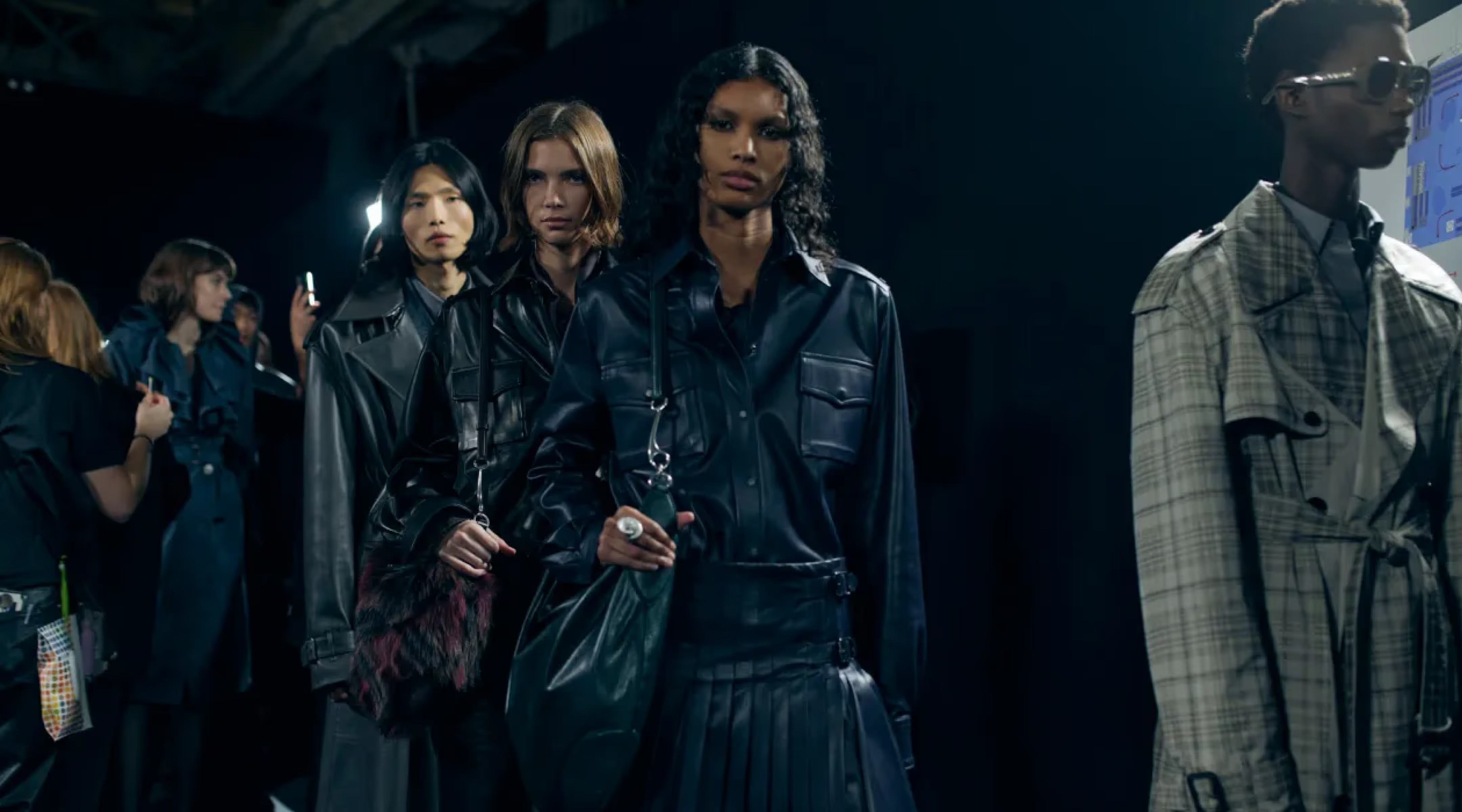
This season, given the tactility of winter clothing and increasing need for warmth and comfort, there was an elevated importance on fabric and texture. Fur (faux, goat, and astrakhan) continued to dominate as a key fabric throughout the collections in statement coats and jackets, as well as smooth and punchy leathers in pencil skirts and bombers, and cashmere in all number of cushy iterations.
The emphasis of fabric and texture translated into key investment pieces like leather separates and coats, with the most commercial stance being: buy the pieces that work hard in the timeless wardrobe, layer easily, and are versatile enough for more than a few outfits. Several buyers noted the styling of a blue shirt beneath knitwear as a prominent look for the cooler weather, while warmth and quality outerwear was a signifier for safe closet investing.
Embellishment was a key feature at the more experimental brands, including Prada with its embroidered skirts, footwear, and python skin bags, and Marni with its disc-adorned garments that sounded like wind chimes as the models walked.
Like last season, skirts are a big focal point for their apparent merchandising factors, and for traversing the more ladylike territories of the contemporary era. Marni cut a perfect knee-length skirt that was feminine enough to keep it commercial, but eclectic and cool in its distinct house codes. Prada doubled down on its skirt offering, as tailored necessities or as transparent layers over bermuda shorts and knitwear. Fendi and Max Mara kept skirts clean and endlessly wearable, while Dolce & Gabbana zeroed in on the classic Italian woman with tailoring hitting all curves, hips, and waistlines.
Warm and earthy tones in fawn browns, cinnamon, and burgundy were omnipresent; however, a noticeable uptick in full black outfits, of which some collections showed in their majority, suggested a safe bet for the darker outlook of the world at large.
Runway highlights
Two sophomore shows exceeded expectations during Milan: Bottega Veneta by Louise Trotter and Jil Sander by Simone Bellotti.
Bellotti created a new sense of sexiness and modern minimalism at Jil Sander, in sharp, tightly buttoned tailoring and surprising details in white stockings, skirt waists protruding at the sides, and slits in the seams of pencil skirts. The designer said backstage, “I was thinking, can something superfluous be considered essential?”.
The modern fashion era is crying out for new twists on known items, so Belotti’s superfluous angle might well be a smart one.
Trotter for Bottega offered an intelligence with provocations and true personal style. Her vastly considered collection brought together elements of brutalism mixed with classic Italian allure for an individualistic, sculptural, and highly covetable wardrobe that truly felt luxurious.
Gucci’s debut runway show under Demna got the Y2K Gucci glam treatment, featuring spicy micro-mini dresses, sky-high stilettos, lots of sparkle, and a heavy spotlight on bags to mixed reviews. This sentiment was echoed by Bernstein luxury analyst Luca Solca, who said the reaction to the debut “seems overall more good than bad.”
In a report, Bernstein assigned the fall 2026 collection a 7.6 out of 10. “Clearly not a home run, but still an improvement,” the report says, putting Gucci and Demna behind higher-scoring debuts for Dior by Jonathan Anderson (9.1), Chanel by Matthieu Blazy (9.0), but ahead of Gucci by Sabato de Sarno (6.8) back in September 2023.
And now, here are all the rising trends from Milan Fashion Week Fall-Winter 2026.
Skirts suits
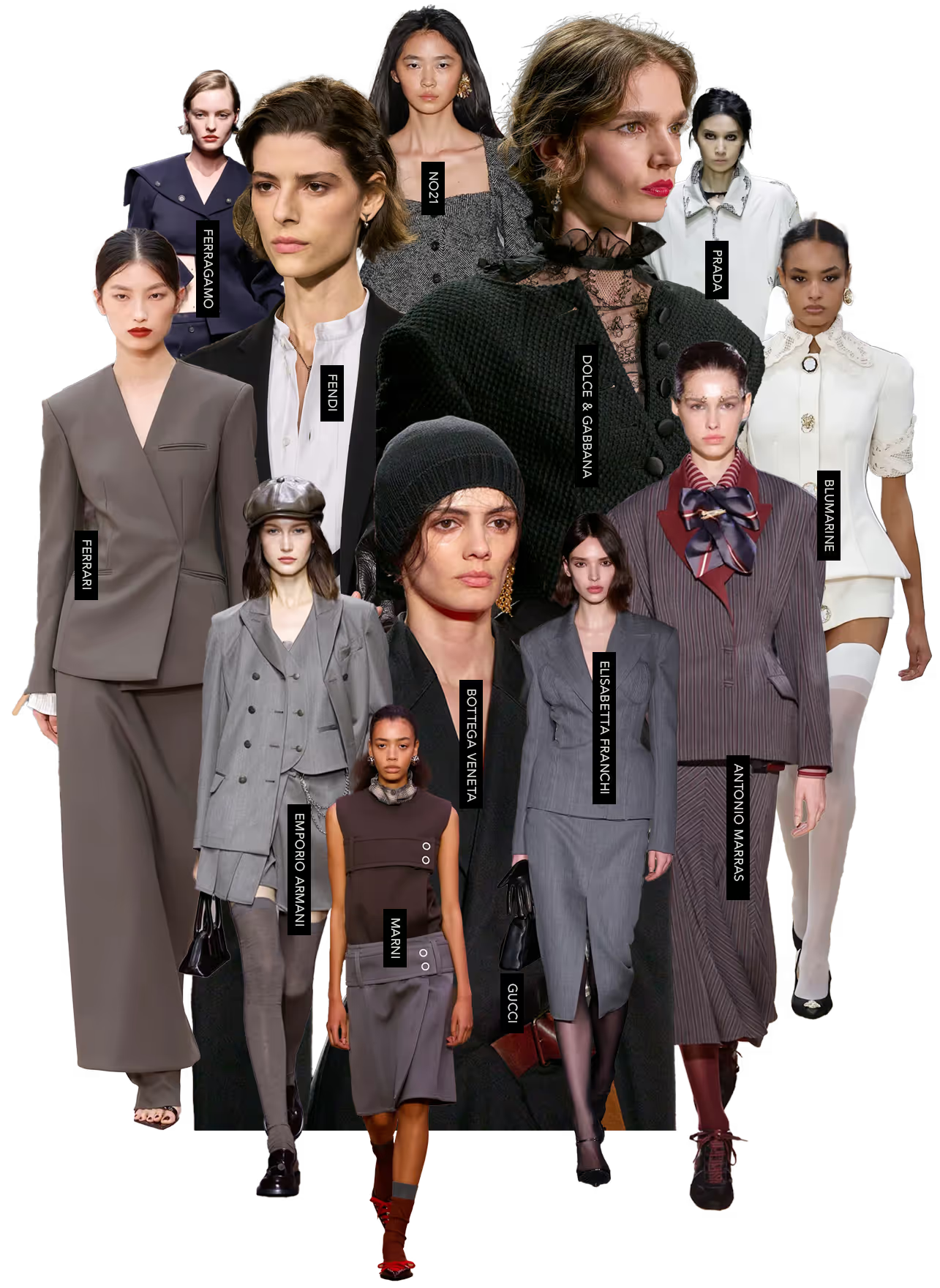
Carrying on from last year’s runways and a highly commercial grab for the Italian houses, many brands featured the seemingly humble tailored skirt suit, or a variation thereof. However, the season’s silhouette is on the narrower side, see: the tightly fitted black Gucci version, the hip-accentuating styles at Dolce & Gabbana, and the streamlined tailoring at Fendi. Elsewhere, Bottega Veneta, Ferragamo, and Blumarine subverted skirt-suit norms to create modern silhouettes and details that remove the overly lady-like connotations of the trend.
Master layering
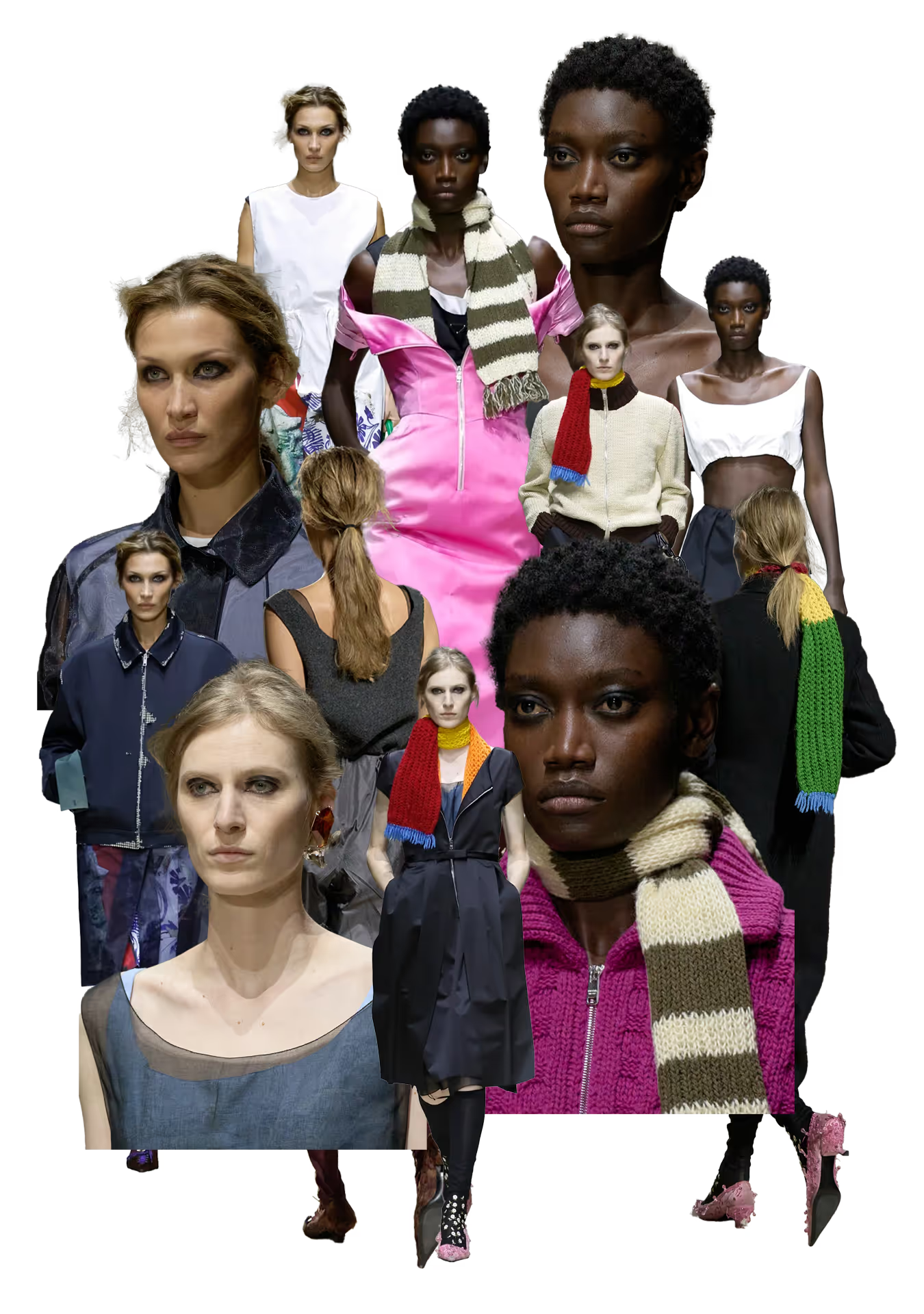
What might have seemed a glaringly obvious strategy, the layering stunt pulled by Prada during its FW26 show was truly an outlier in the current runway format. With 15 models, 60 looks, and 4 looks each, the crafty layering of textures and unexpected silhouettes beneath each removed item completely diverted from the commercial tactic at play; that is, here’s how to layer, style, and accessorize a full luxury look instead of purchasing one piece (Prada clearly had AOV on the mind).
Days of disco
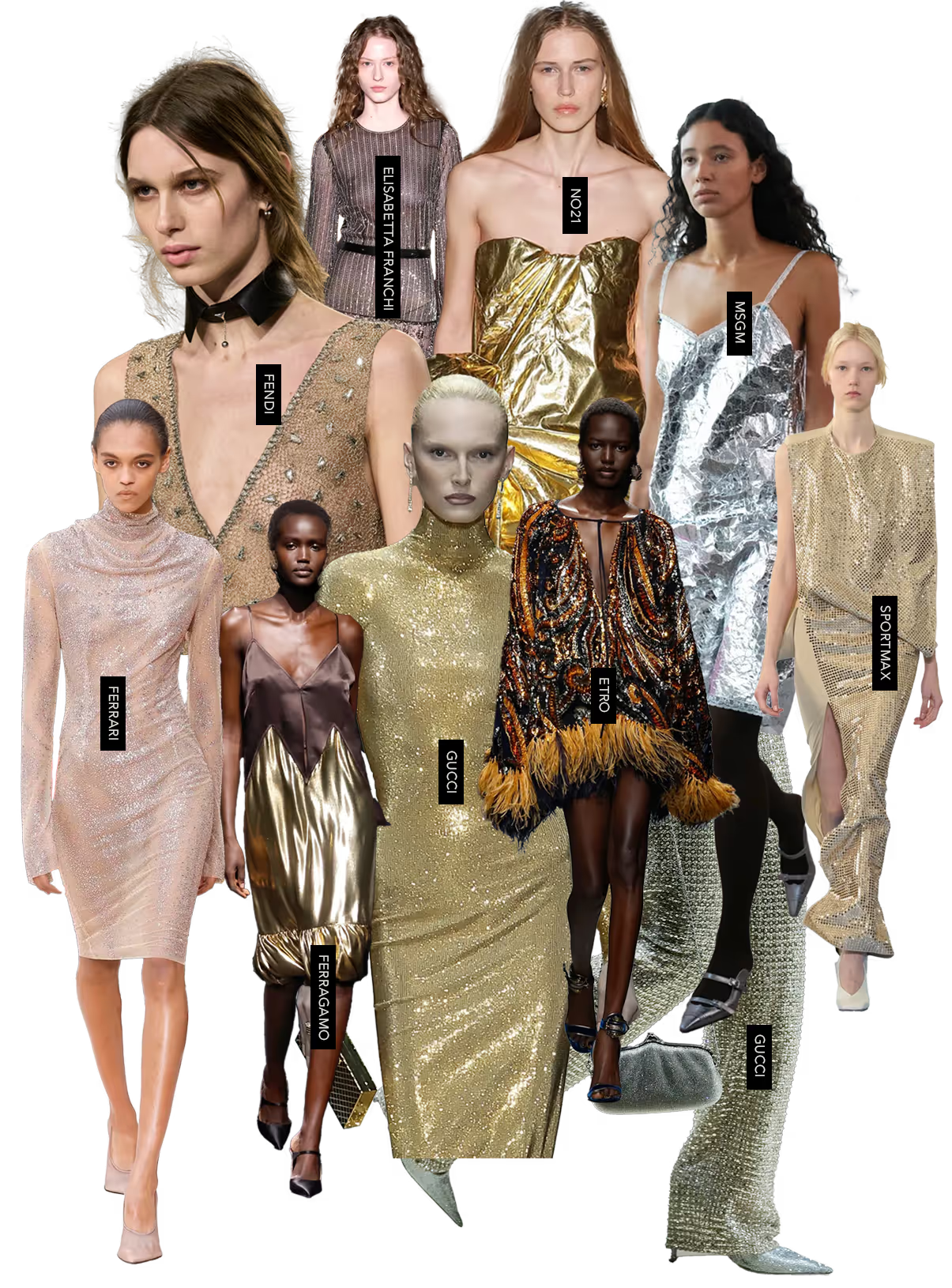
A knock-back on the Clean Girl era, the 2am vibes were very much alive in Milan. Gucci wasn’t the only house to bring the late-night dancefloor energy to the runways, although it was definitely the most memorable; social media stars like Gabbriette and Emily Ratajkowski teetered down the catwalk in bum-grazing sequined mini dresses and 2000s-edjacent sky-high stilettos. Elsewhere, Etro put its signature 70s flair on fur-trimmed sequin party dresses, while Fendi and Sportsmax rendered the disco look with sophisticated sensuality.
Brooding lace
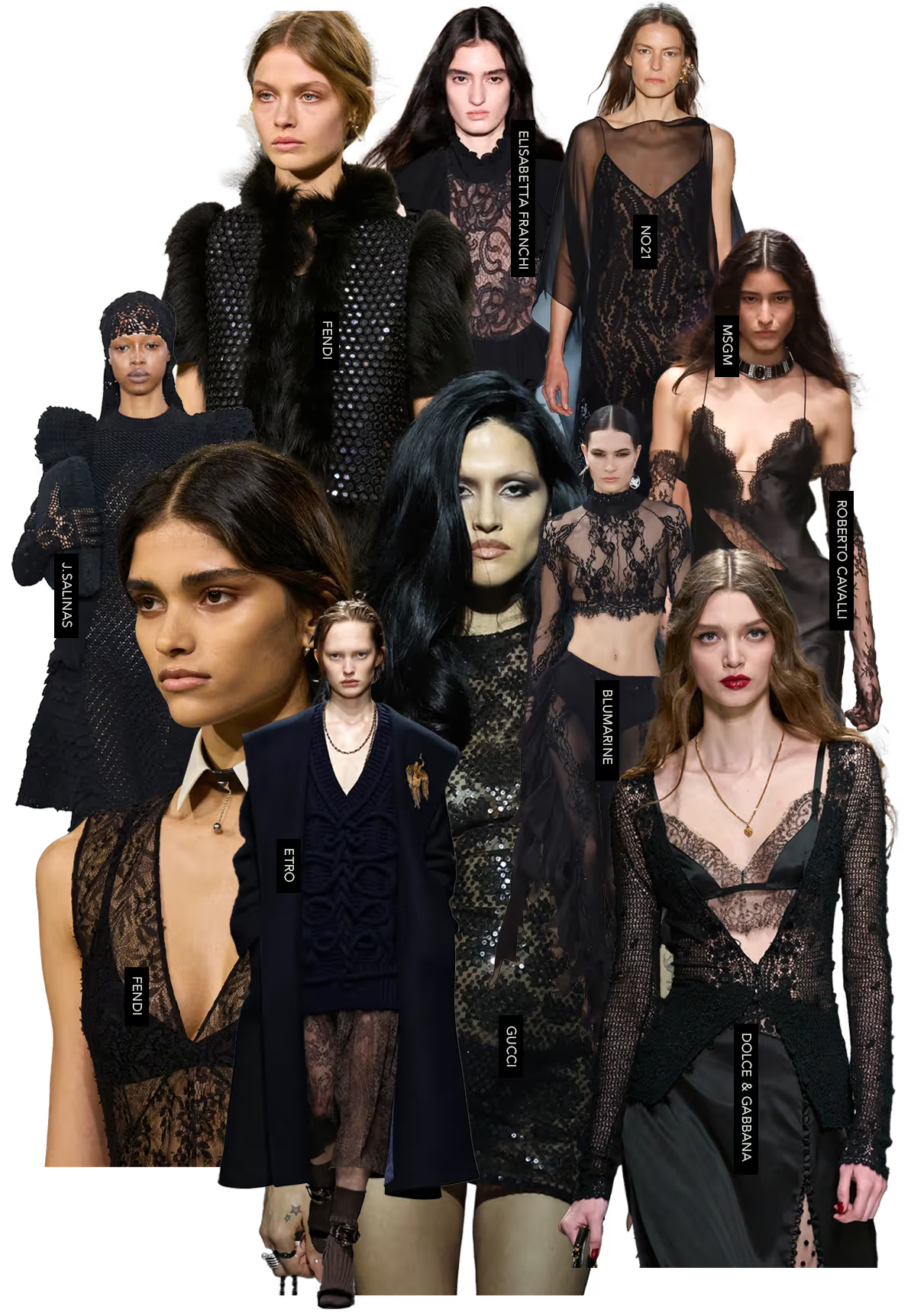
As noted by several buyers and commentators, black was the resounding shade of choice, most likely in response to the sombre world events. However, under an Italian filter, this translated into a moody, brooding, and passionate black lace ensembles, from Fendi (a Maria Grazia Chiuri signature) to Dolce & Gabbana, who showed nearly all black lace outfitting. Heuritech cited thick black lace as the main fabric story during Milan Fashion Week, surging by 248% on its runway presence during the previous fall season.
Leggings for days
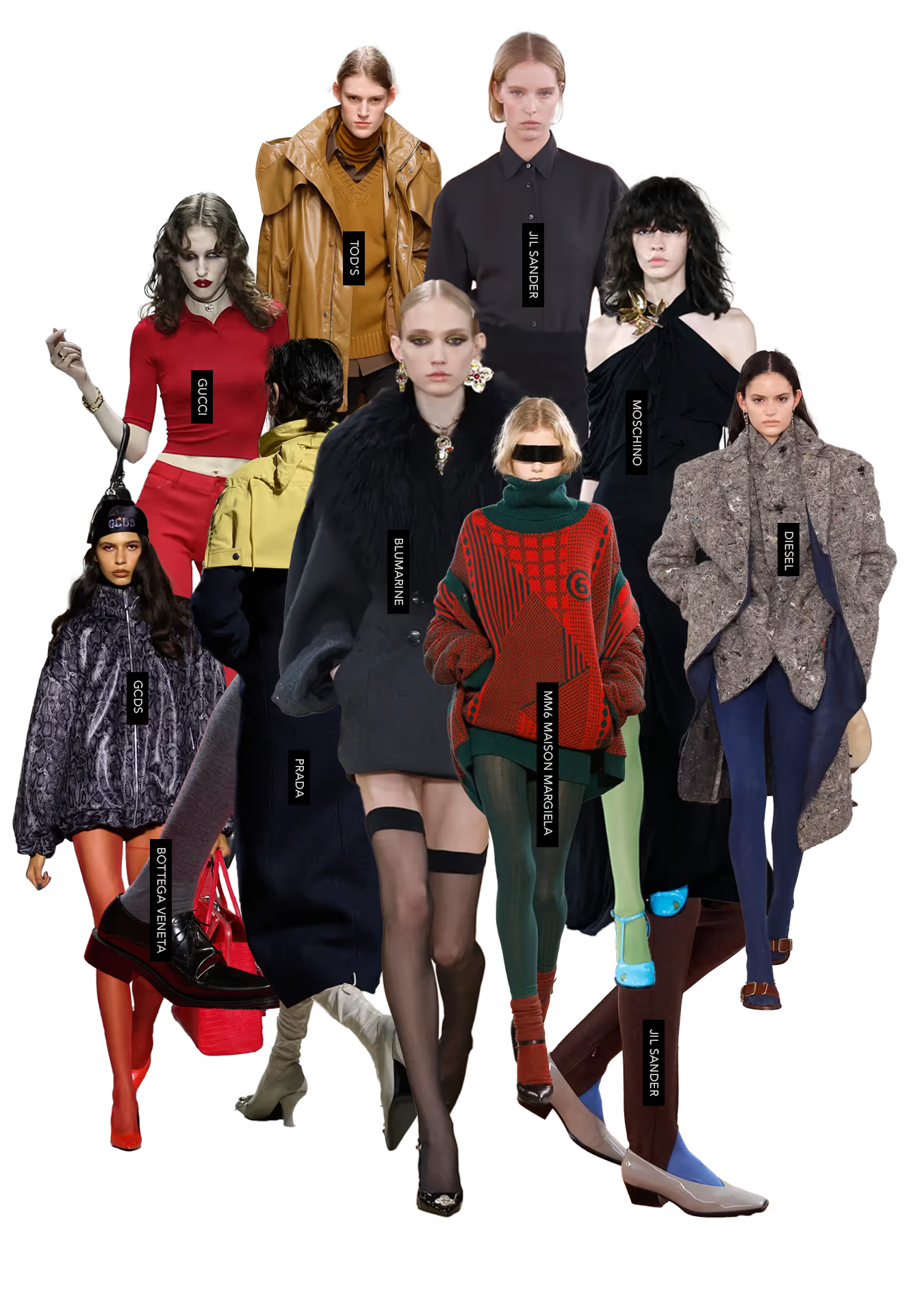
Tights, stirrups, leggings, and pantyhose of all lengths caught the keen eyes of buyers and editors, especially at Jil Sander, where it was hard to ignore the white stockings beneath spliced skirts, as well as the stirrupped leggings that fit snugly into patent pumps - a look that was replicated at Tod’s and Gucci. Elsewhere, coloured tights leaned into a fun and alluring mood, namely at GCDS, Diesel, and Moschino.
Ready to start assortment planning for next season? Here's how buyers and merchandisers can use data to boost results this season.
Image credits: Vogue Runway, Tagwalk, WWD