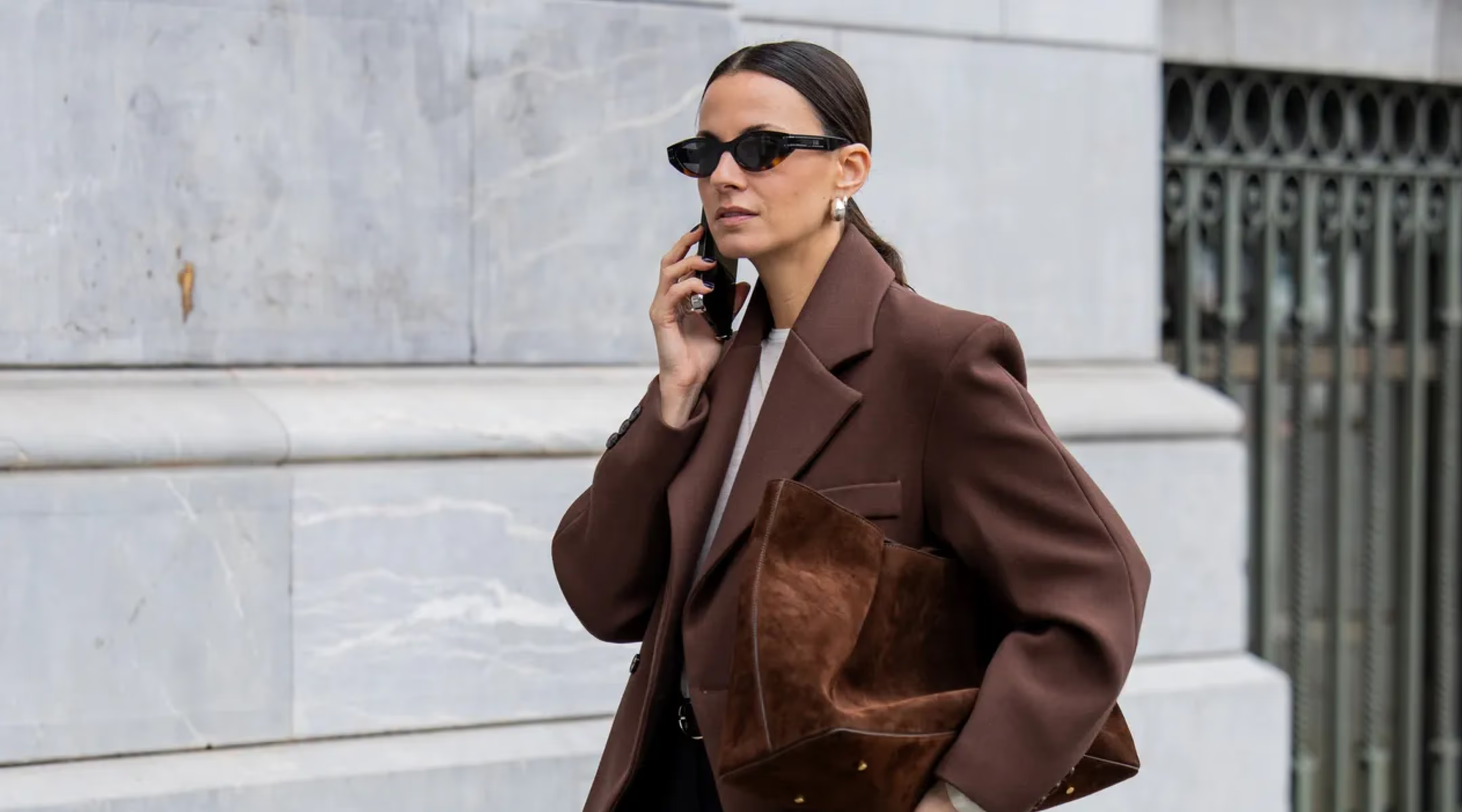
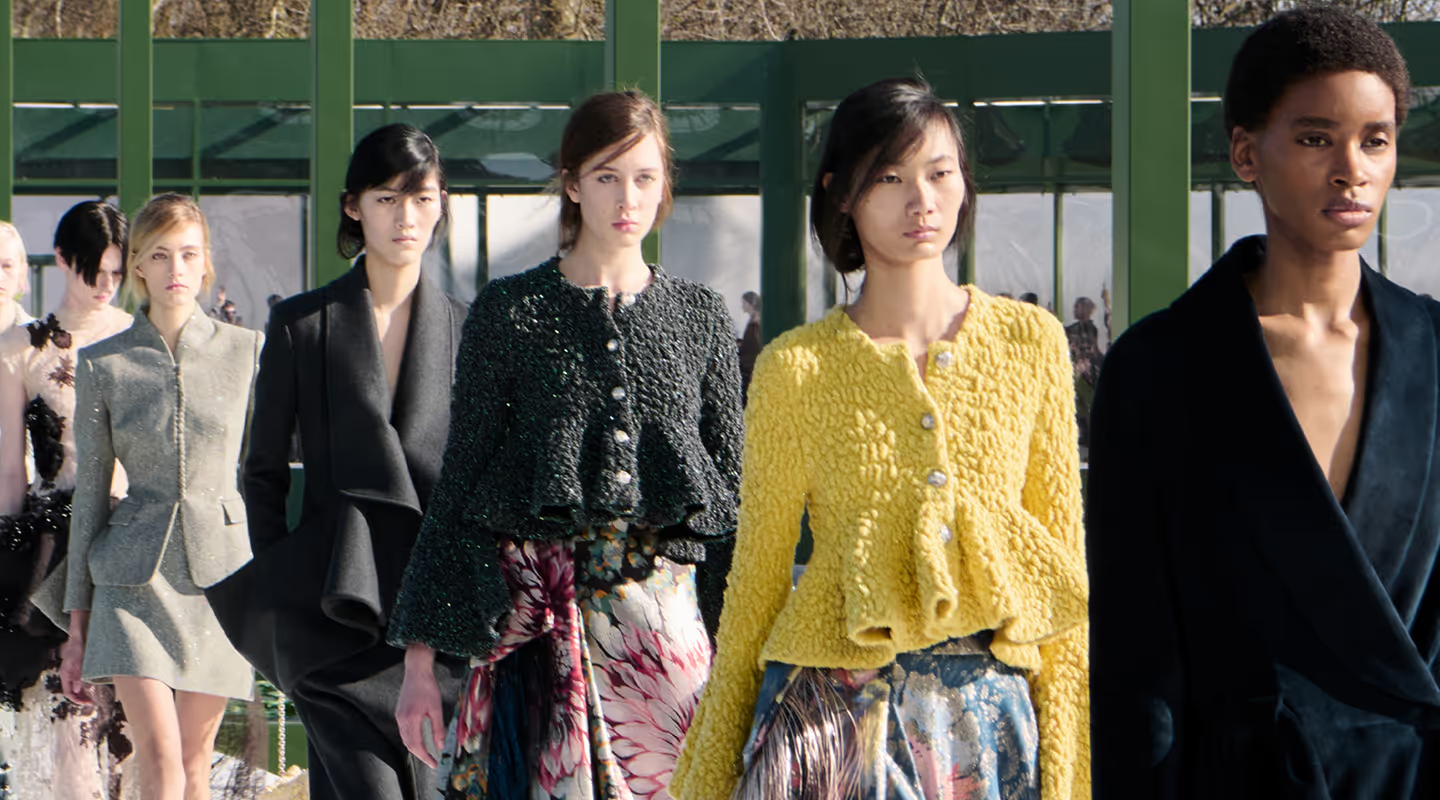
Chanel-mania hasn’t just renewed the public’s enthusiasm for luxury fashion; it’s forced the industry to ask just how one of the world’s oldest labels reclaimed the top spot. The 116-year-old French house managed 2% growth in Q1 2026, after several seasons flatlining in consumer relevance, and without direct-to-consumer digital channels.
Not that Chanel can ever be considered a flatliner; even with the negative press surrounding the pre-Matthieu Blazy collections, it still achieved nearly $20 billion in yearly sales in 2025. However, under Blazy as creative director, the label has been lit with a level of desirability not seen since Karl Lagerfeld’s heyday at the helm.
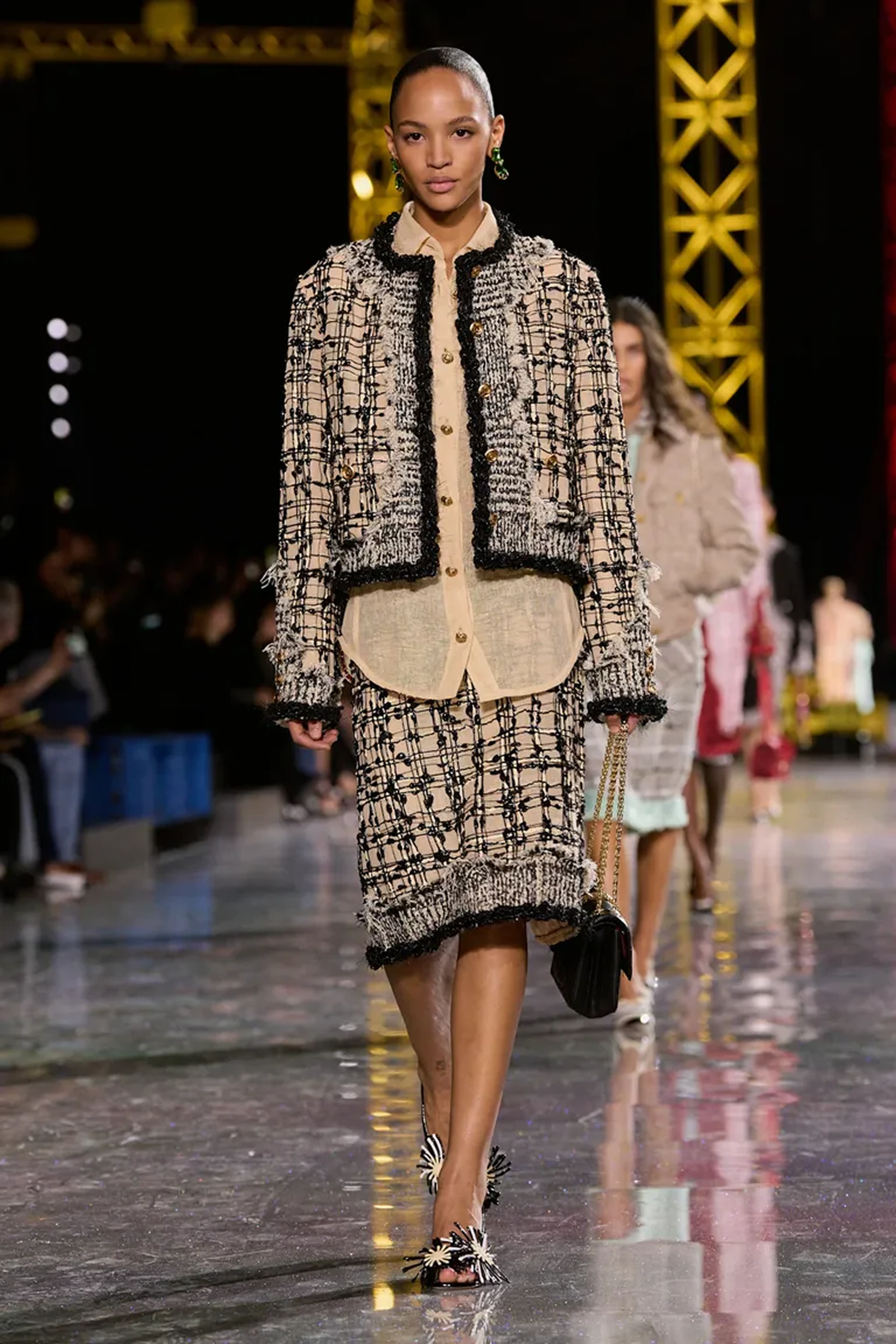
Remember the 2000s-era market saturation of the Boy Bag, the CC logo ballet flats, and the tweed jackets? Now, it’s not just reissues of the classics, bags, and footwear. It’s the apparel. The Charvet-made cotton shirt with ‘Chanel’ embroidered at the hem, the ‘neo-tweed’ boucle jackets, and the boxy blazers.
The fanfare underscores how heritage brands continue to (and can still) win customers despite the luxury slowdown and economic uncertainty. Yes, we’re dealing with a K-shaped economy - the brands with top 1% clients like Hermès and Brunello Cucinelli are reaping all the benefits. But if the steady growth of Miu Miu, Phoebe Philo, and Ralph Lauren is anything to go by, consumers (both luxury and aspirational) are still spending. They’re just more selective. And the world’s top heritage brands have figured out not just how to sell to them, but where.
Fashion sales growth has now shifted to depend on locality over widespread availability. The retailers who have built local relationships are winning, while the ones depending on the traveling consumer have felt the brunt of the downturn. Brunello Cucinelli reported 20% growth attributed to its owned retail channels and contribution from new stores in the US alone, without wholesale or seasonal markdowns.
It’s the reason Gucci, Dior, Louis Vuitton, Zegna, and Hermès have all staged their Resort 2027 collections in the US. The Americas have become the most reliable growth engine of global luxury goods, where Hermès has recorded 17% growth in the region, its strongest growth alongside Europe outside France, driven by customers who purchased in their own cities because they were after a specific product.
Meanwhile, Ralph Lauren has become the heritage outlier and a true competitor in the luxury race, having crossed $8 billion in annual revenue for the first time in the brand’s history. The company’s Q1 results were driven by strong global demand (a rare instance of winning back China) and continued momentum across DTC retail and digital sales. Ralph Lauren has managed to strengthen both profitability and cultural relevance simultaneously: recruiting new and younger consumers, investing in elevated branding and social media, strengthening their core and high-potential categories, and developing key city ecosystems in each region.
While there won’t be a Chanel-style halo pushing consumers to spend more on fashion at large, it’s time for brands entering the luxury space to learn how to create their own halo. There is now a unique opportunity for new brands to disrupt the industry.
Here’s how brands can leverage heritage strategies to turn occasional shoppers into true loyalists.
Know your customer deeply
Dior routinely ranks at the top of the Business of Fashion Brand Magic Index, a testament to how deeply the brand understands its customers and what they value.
One of Dior's greatest strengths is its ability to understand its customers with remarkable precision. Rather than treating luxury consumers as a single audience, the brand invests heavily in understanding the different motivations, aspirations, and cultural influences that shape their customers' preferences. From close relationships with its highest-value clients to insights gathered through global activations and market-specific engagement, Dior continuously learns what matters most to the people who buy and wear its products.
What sets Dior apart is how directly those insights influence the collections themselves.
The house understands that its customers are not simply seeking luxury goods; they are looking for craftsmanship, cultural relevance, personal expression, and a connection to something larger than the product. This understanding is reflected in collections that balance Dior's rich heritage with contemporary themes, ensuring the brand remains both timeless and relevant.
.webp)
Rather than relying on trends alone, Dior interprets evolving customer values and translates them into silhouettes, collaborations, materials, and narratives that resonate deeply with its audience.
The brand's Cruise collections are a particularly strong example of this approach. These collections often emerge from deep engagement with local cultures, artisans, and creative communities, allowing Dior to uncover insights that inspire both design and craftsmanship. By listening closely to customers and understanding the cultural contexts that shape their tastes, Dior creates collections that feel personal, meaningful, and distinctly Dior. The result is a brand that consistently reflects its customers' aspirations back to them.
Rather than relying on trends alone, Dior interprets evolving customer values and translates them into silhouettes, collaborations, materials, and narratives that resonate deeply with its audience.
Have a strong, identifiable brand DNA
While localization is a key theme for steady growth, this doesn’t mean you should defer from the DNA you stand for, just to be seen in a new region or audience. Keep your DNA universal, but master localizing communications and product positioning, adapting messaging, product mix, and activations to local tastes.
Prioritize quality
As Shein and Temu surge in popularity due to their low-ball pricing strategy, and where the digital market becomes increasingly commoditized, quality becomes the key differentiator for brands built on prestige. Craftsmanship, expertise, and heritage remain critical competitive advantages and continue to resonate with younger consumers.
The best luxury houses rarely talk about quality in terms of product specifications. Instead, they build systems that make quality inevitable:
- Hermès trains artisans for years and repairs products decades later.
- Chanel acquires and protects endangered craft ateliers.
- Brunello Cucinelli funds schools to preserve artisanal skills.
- Loro Piana secures the world's best raw materials.
- Zegna controls production from fibre to finished garment.
The common thread is that quality isn't treated as a feature. It's treated as infrastructure. The most respected luxury houses invest in people, suppliers, training, and craftsmanship long before a customer ever touches the product. That's why their quality is difficult for competitors to replicate.
Remove reliance on discounting
Luxury brands earn the right to charge more when they consistently deliver value that customers cannot easily compare, substitute, or postpone. The best luxury houses don't avoid discounting because they are luxury brands. They're luxury brands because they've built businesses that don't need discounting.
Discounting is often an inventory problem, rather than a pricing problem. The first step isn't improving promotions - it's improving forecasting and reducing overproduction.
Luxury houses train customers to buy when they see something they want because they know it won't be discounted.
This changes customer behaviour dramatically. A customer deciding whether to buy a Chanel flap bag isn't asking, "Will this be 30% off next month?"
Whilst standard sales targets and sell-throughs are important health metrics to track, luxury brands spend time tracking:
- Brand equity
- Desire
- Cultural relevance
- Long-term pricing power
And rather than responding to slowing sales with a promotional offer, luxury brands are more likely to:
- Reduce production
- Rationalise distribution
- Simplify assortments
- Delay expansion
The immediate result may be lower sales, but the long-term result is stronger margins and healthier customer behaviour.
Luxury brands remove reliance on discounting by creating three things:
- Scarcity - customers know products may not be available later.
- Desirability - customers actively want the product, not just the deal.
- Trust - customers believe the product is worth the asking price.
For mainstream fashion, the opportunity isn't to imitate luxury pricing. It's to adopt luxury discipline: know customers deeply, focus on assortments, protect product quality, and avoid using promotions as the primary growth strategy.
The brands that successfully escape the discount cycle usually don't start by changing prices. They start by changing the business decisions that made discounting necessary in the first place.
For mainstream fashion, the opportunity isn't to imitate luxury pricing. It's to adopt luxury discipline: know customers deeply, focus on assortments, protect product quality, and avoid using promotions as the primary growth strategy.
Invest in storytelling
Fashion in 2026 is all about world-building. Invest in campaigns that are emotive and aspirational and tell a cohesive story, from store windows to the online delivery experience, to the language sales teams use to communicate with clients.
Because of Ralph Lauren’s renewed commitment to its core visual and lifestyle narrative, Ralph Lauren Polo’s cable quarter-zip knit was Lyst’s most-searched product of Q4 2025. The search platform found the item’s popularity stemmed from Jonathan Anderson’s preppy Dior Men’s debut, where the shopper was able to claim Ralph Lauren’s stake in the varsity-style look of the season.
Chanel’s campaign featuring Margot Robbie recreating Kylie Minogue’s iconic video for ‘Come Into My World’ released in 2001, is a great example of how a brand can introduce itself to new audiences while retaining the existing ones.
Believe in your product and its reason for being
The most enduring brands share a common trait: they have an unwavering belief in their product and the role it plays in customers' lives. They don't chase every trend, react to every market shift, or reinvent themselves every season. Instead, they remain deeply committed to what makes their product valuable, distinctive, and worth choosing.
This conviction shows up in the decisions they make. Heritage brands like Hermès, Zegna, and Loro Piana have spent decades refining their products rather than constantly redefining them. They invest in better materials, superior craftsmanship, and a clearer expression of what they stand for. They understand that longevity comes from consistency, not novelty.
For many brands, discounting, excessive assortment expansion, and trend chasing are often symptoms of a deeper issue: a lack of confidence in the product itself. When a brand truly believes in what it offers, it becomes easier to protect margins, simplify ranges, and communicate value with clarity. Customers can sense that confidence. They know when a product has been thoughtfully developed to solve a real need, rather than simply fill a gap in a range.
The lesson isn't that every brand should become a luxury brand. It's that every brand should be able to answer a simple question: why does this product deserve to exist? The brands that can answer that question convincingly - and consistently - are often the ones that build stronger customer loyalty, command higher margins, and remain relevant long after the latest trend has passed.
Customers can sense... confidence. They know when a product has been thoughtfully developed to solve a real need, rather than simply fill a gap in a range.
Invest in the retail experience and events
Luxury brands encourage customers to begin making their purchasing decisions based on personal service, exclusivity, brand immersion, and velvet-rope access to products and events.
As online shopping becomes increasingly frictionless, the role of the physical store is changing.
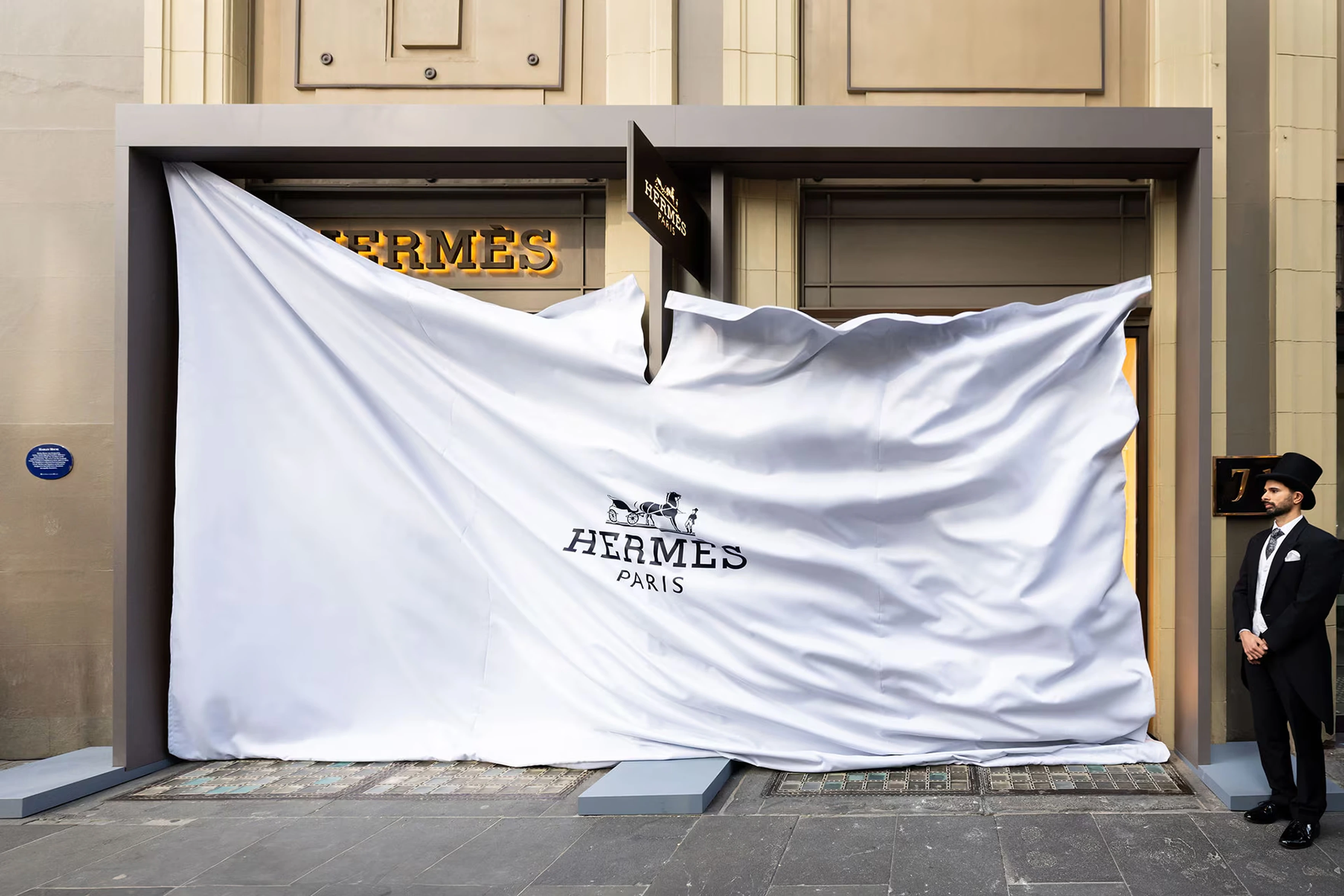
For many luxury brands, retail is no longer simply a point of sale; it's a place to build relationships, reinforce desirability, and bring the brand to life in ways that can't be replicated through a screen. From Louis Vuitton exhibitions and Dior's immersive activations to Hermès events and private client experiences, the industry's leading houses are investing heavily in creating moments that customers remember long after a purchase has been made.
And Chanel's decision to restage its Resort 2027 collection in Sydney this November marks a significant shift in how luxury brands are approaching growth markets.
Rather than relying on customers to travel to Paris, Milan, or New York, brands are increasingly bringing their most important experiences directly to local communities. Fashion shows, client events, private appointments, exhibitions, and immersive activations have become powerful tools for building relevance, strengthening loyalty, and rewarding top customers.
This is particularly important as the product becomes increasingly accessible. The competitive advantage is no longer just what a brand sells, but the world it invites customers into. The brands creating the strongest emotional connections are increasingly the ones turning stores into destinations, events into cultural moments, and customers into communities.
The takeaway
The lesson from heritage brands isn't that every retailer should aspire to be Hermès or Chanel. It's that the brands winning today have a clear understanding of who they are, who they serve, and what they refuse to compromise on.
In an industry that has spent much of the last decade chasing volume, the strongest brands have been building value. They're editing harder, protecting margins, investing in product, and focusing on desirability rather than ubiquity.
Heritage may provide a foundation, but it isn't the reason these brands continue to outperform. Their advantage comes from conviction. They know what they stand for, and they're willing to make decisions that reinforce it.
As consumers become more selective with where they spend, that clarity may become the most valuable asset a brand can own.